

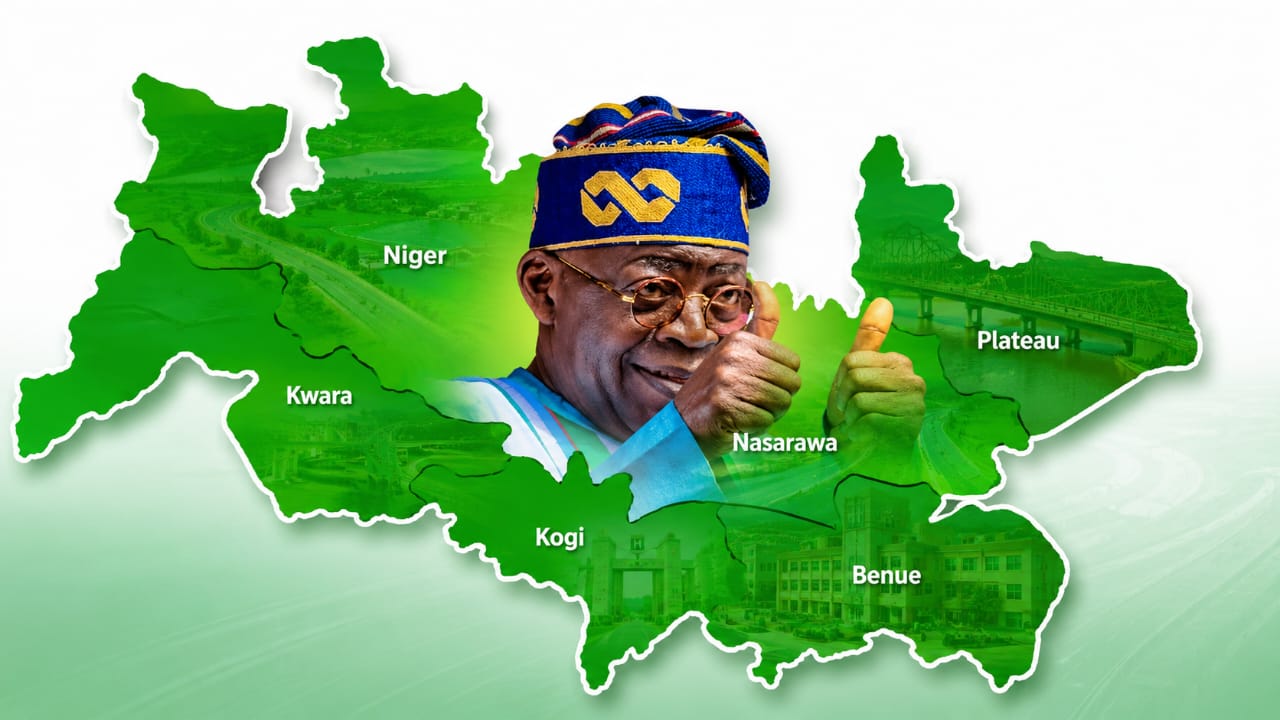
As political parties begin to warm up for the 2027 general elections, the North-Central may present one of the most intriguing electoral battles for the opposition seeking to unseat President Bola Ahmed Tinubu.
The question confronting opposition politicians as they take their campaigns to the region may not only be whether voters are dissatisfied with the Tinubu administration, but whether they can offer a sufficiently convincing alternative to a President whose administration is increasingly associated with visible infrastructure projects across the zone.
In some communities, the question may eventually be reduced to a simple one: “Tinubu we know, who are you?”
It is not necessarily a declaration of unconditional support for the President. Rather, it could reflect the way voters often make electoral choices; by weighing what they have experienced against what candidates promise.
The North-Central was already a competitive political territory in the 2023 presidential election.
Tinubu won the region with 1,760,993 votes, representing 41.3 per cent of the total votes cast across the six states. Peter Obi of the Labour Party followed with 1,415,557 votes, or 33.2 per cent, while Atiku Abubakar of the Peoples Democratic Party secured 1,025,178 votes, representing 24.1 per cent. Rabiu Kwankwaso of the New Nigeria Peoples Party polled 60,056 votes, or 1.4 per cent.
The figures showed that while Tinubu had an advantage, millions of voters were prepared to back alternatives.
Ahead of 2027, the fluidity is disappearing as the political environment in some parts of the region is changing, particularly because federal and state infrastructure projects become increasingly visible.
A nationwide media tour of government projects, organised by the Renewed Hope Ambassadors in collaboration with the Presidential Media Team, has so far taken journalists through Kogi, Benue and Nasarawa.
The tour has provided a physical view of projects being implemented under the Renewed Hope Agenda, from roads and bridges to healthcare facilities and economic infrastructure.
More importantly, it has exposed the political value of projects that ordinary residents can see and potentially benefit from.
For decades, poor roads, difficult river crossings and inadequate infrastructure have been among the complaints of communities across the North-Central.
In some areas, however, that narrative is beginning to change.
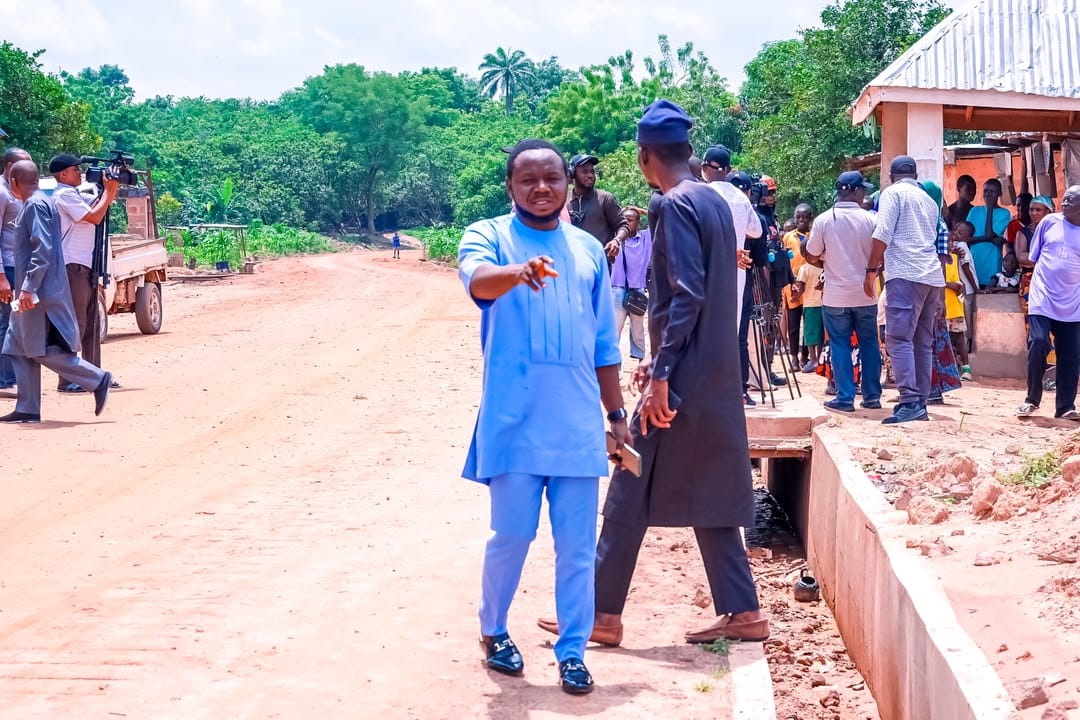
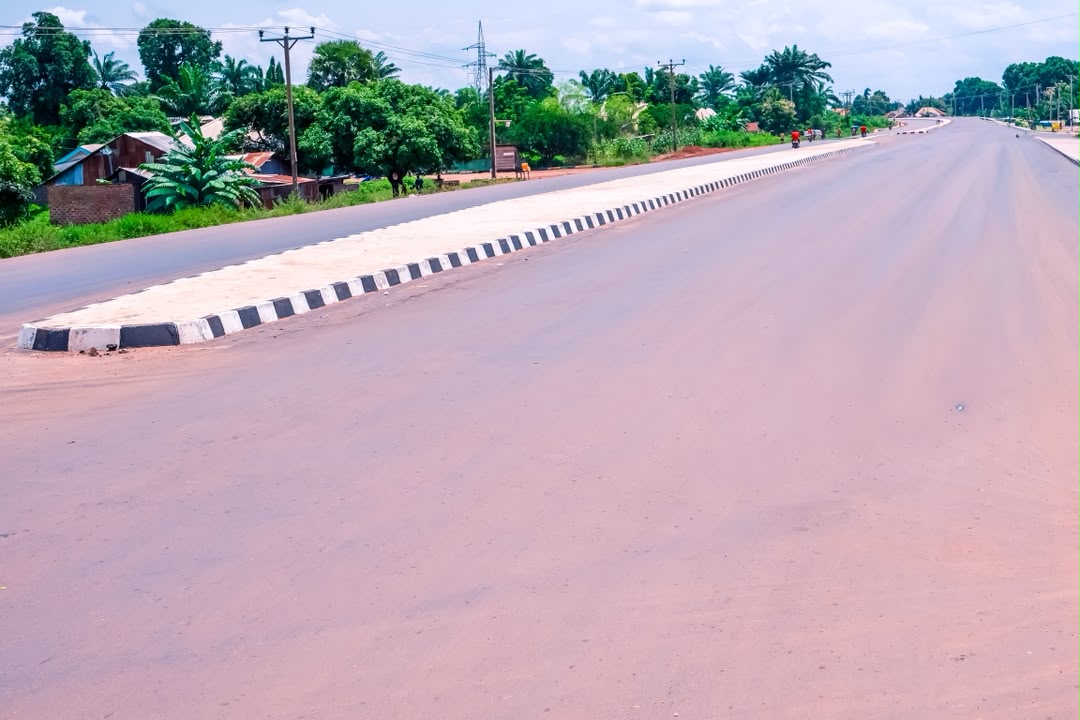
In Kogi, the ongoing Iyale-Ogane-Enugu road in Dekina Local Government Area is connecting rural communities and farming settlements that residents said had waited for generations for a motorable road.
An indigene of the area, Amodu Joseph Silvas, described the project as the fulfilment of a long-standing prayer.
“This road has been a prayer by our forefathers. Unfortunately, many of them are not alive to witness what we are seeing today. It is a thing of joy for our people because government remembered us,” he said.
Silvas also expressed appreciation to Tinubu for supporting Governor Ahmed Usman Ododo and to the governor for using available resources to extend development to the communities.
For an opposition politician entering such a community during the 2027 campaign, the challenge is obvious.
It may not be enough to say the government has failed. The politician will have to explain why the voter should abandon an administration associated with a project that has begun addressing a problem the community has endured for years.
That does not mean the voter will automatically support Tinubu. But it changes the conversation.
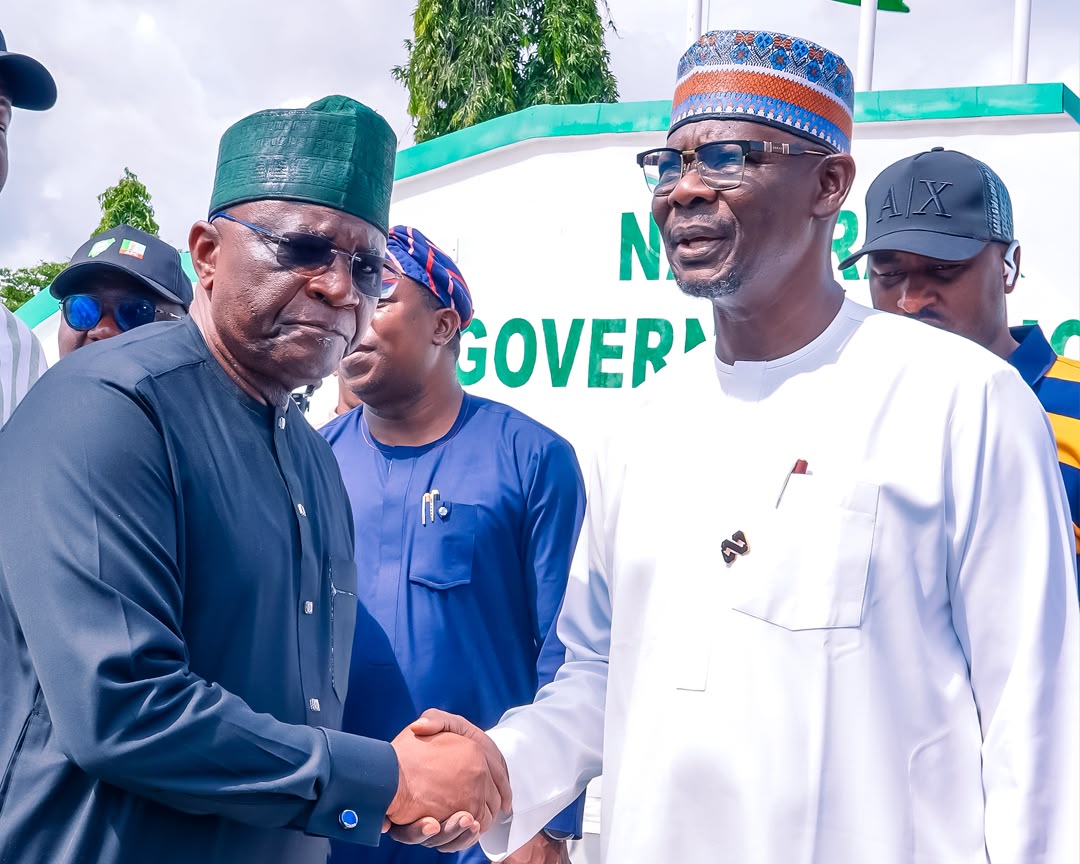
The same dynamic is emerging in Nasarawa, where Governor Abdullahi Sule has linked the state’s increased ability to execute major projects to higher allocations following federal reforms.
Sule said the state’s monthly allocation, which previously ranged between N3.8 billion and N4.5 billion before the removal of the fuel subsidy, had risen to between N14 billion and N16 billion.
He attributed the state’s increased financial capacity to the Tinubu administration.
“All the projects we are doing in Nasarawa State today, without borrowing from the bank, is as a result of President Bola and his support. So you must give him the credit for that,” Sule said.
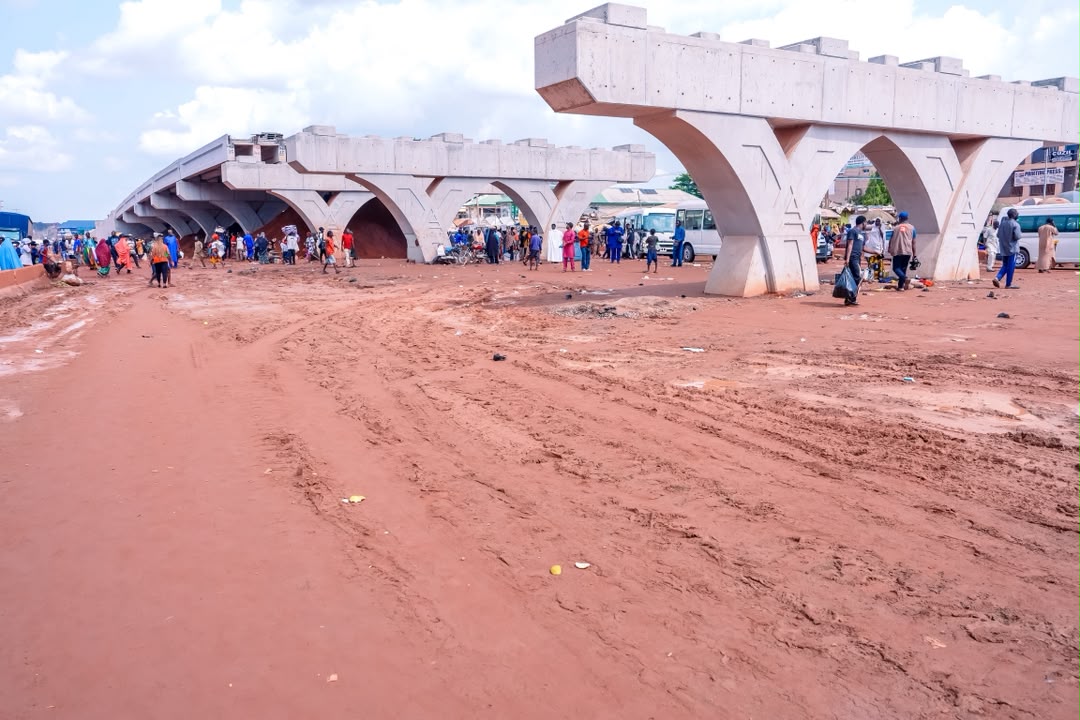
Among the projects inspected during the media tour was the N44 billion Mararaba flyover, which is designed to tackle chronic congestion on the Abuja-Keffi corridor.
The project is expected to significantly reduce travel time between Abuja and Keffi when completed.
Other projects include the Keffi flyover, Akwanga road and underpass projects, as well as the Kilema-Tudun Amba bridge and stormwater channel in Lafia.
For commuters who spend hours navigating traffic or residents who have struggled with poor road networks, the political meaning of such projects can be different from the figures presented at campaign rallies.
Infrastructure is experienced.
A road is experienced.
A bridge is experienced.
A hospital is experienced.
That is where the Tinubu administration may have an advantage over an opposition campaign built primarily around promises.
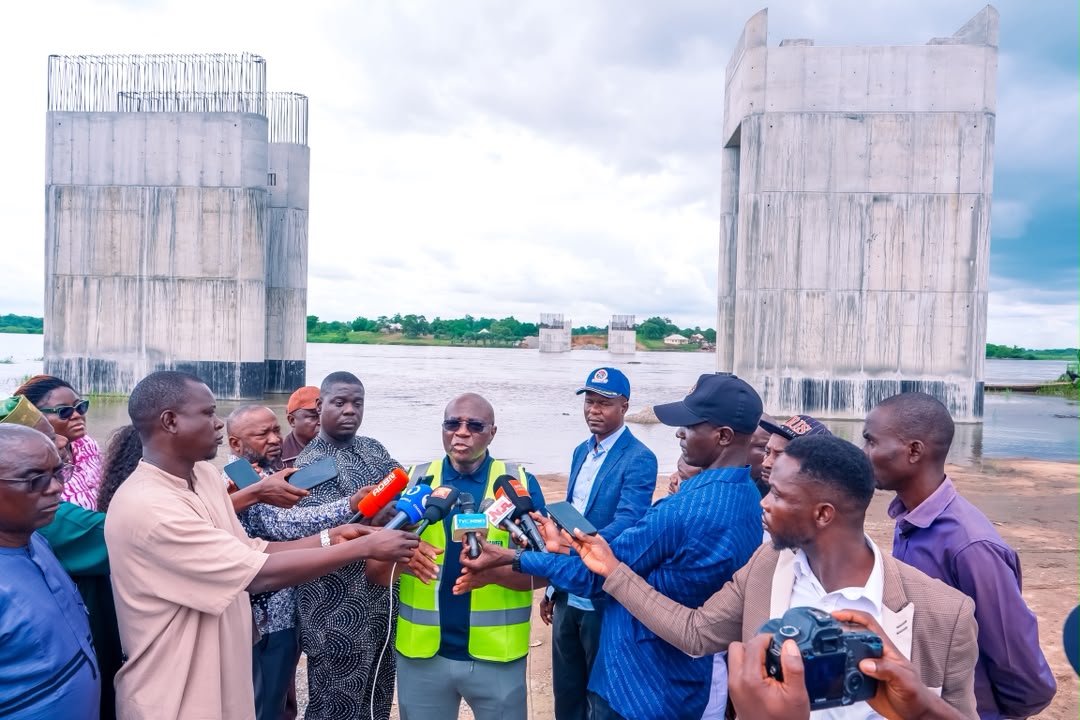
In Benue, the Buruku Bridge across the Katsina-Ala River could become one of the strongest examples of how infrastructure may influence political conversations.
The 854-metre dual carriage bridge is expected to connect communities in Benue with Taraba and improve a strategic corridor linking the North-Central with the North-East.
For communities that have relied on boats to cross the river, the project carries implications for safety, trade and agriculture.
Deputy Governor Samuel Ode described it as a “golden gift” to the people of Benue, recalling deaths and boat accidents associated with the river crossing.
The bridge will also serve communities in the Sankera axis, one of the state’s important agricultural belts, by making it easier for farmers to transport produce to markets.
The political importance of the project becomes clearer when placed against the 2023 election result in Benue.
Tinubu secured 310,468 votes in the state, only marginally ahead of Obi’s 308,372. The state therefore remains a highly competitive electoral territory.
Yet the political conversation has shifted sufficiently for Ode to express a commitment to helping deliver Governor Hyacinth Alia’s one-million-vote target for Tinubu in 2027.
Whether that target can be achieved remains uncertain. But the ambition illustrates the potential political effect of visible development.
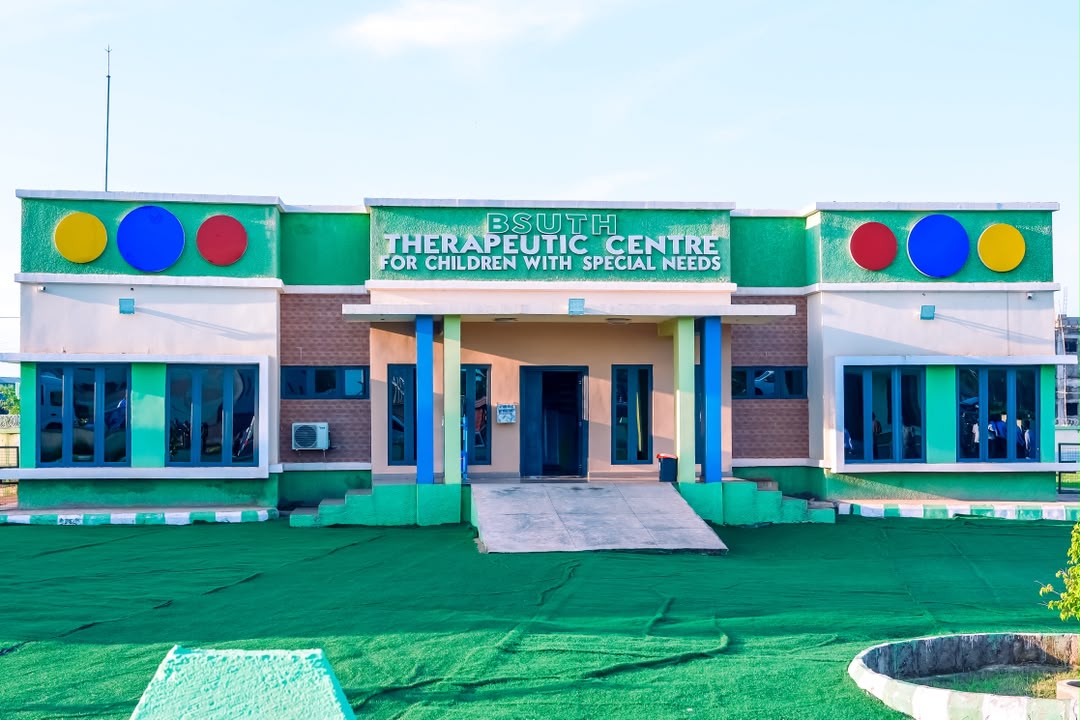
The emerging infrastructure narrative is not confined to roads and bridges.
In Benue, about N20 billion has reportedly been invested in the Benue State University Teaching Hospital over the past three years, with improvements in specialist services, diagnostic facilities and manpower.
A cancer centre is also under construction, while the hospital’s IVF centre provides assisted reproductive treatment at a subsidised cost.
The Chief Medical Director, Dr Terungwa Stephen Hwande, said the facility is attracting patients from Abuja, Nasarawa, Taraba, Kogi and Enugu.
The state is also pursuing efforts to convert its agricultural strength into industrial activity through the rehabilitation of Taraku Mills and the development of processing ventures, including the Food Basket Brewery.
The objective is to create jobs and retain more of the value generated from the state’s agricultural production.
For voters, such projects may become part of an assessment that has little to do with political party manifestos.
They may simply ask: Has government done anything that affects my life?
The opposition’s difficult calculation
This is where the 2027 contest could become complicated for opposition parties. There will be plenty of issues to campaign on.
Economic hardship remains a major concern. The removal of the fuel subsidy has affected household and business costs. Food prices, unemployment and insecurity remain important issues.
Opposition politicians will have every opportunity to use these challenges to make their case.
They will also argue that infrastructure projects cannot by themselves compensate for economic difficulties experienced by millions of Nigerians.
The administration will therefore have to demonstrate that the projects are completed, functional and delivering measurable benefits.
That is especially important because some of the projects currently being highlighted remain under construction.
If delivery is delayed or infrastructure fails to provide the promised benefits, the political advantage could quickly diminish.
But if the projects are completed and begin to change everyday life before the election, they could become powerful campaign evidence.
“Tinubu we know”
This is where the phrase “Tinubu we know, who are you?” becomes relevant to the coming campaign.
The phrase is not about blind loyalty. It is about political comparison.
When an opposition candidate arrives in a community and tells voters that the incumbent has failed, the natural response from some voters could be: What would you do differently?
If the candidate promises a better road, the voter may point to the road already under construction.
If the candidate promises improved healthcare, the voter may ask about facilities already being expanded.
If the candidate promises to connect rural farmers to markets, the voter may point to a road that is doing precisely that.
The opposition would then need to offer more than criticism. It would need to offer credibility.
It would need to answer the question: Who are you, and why should we trust you?
That may be one of the most important tests of the 2027 campaign.
Instead of simply asking voters to reject Tinubu, opposition candidates may have to persuade them that another candidate can deliver more effectively.
That is a higher bar.
What will voters remember?
Ultimately, the 2027 election will not be decided by roads and bridges alone.
Candidate credibility, party structures, economic conditions, security, local grievances, national mood and campaign organisation will all play their part.
But voters are more likely to remember what directly affects their lives.
A farmer remembers whether he can move his produce.
A commuter remembers how long it takes to get home.
A patient remembers whether treatment is available.
A trader remembers whether customers can reach the market.
A young person remembers whether a new project created a job.
Those experiences can shape political choices just as powerfully as campaign speeches.
For Tinubu, the North-Central therefore presents an opportunity to convert the 41.3 per cent he secured in 2023 into a broader electoral base.
For the opposition, it presents an equally urgent challenge: to convince voters that their alternative is more credible than what the incumbent can point to.
Another advantage the ruling party has is the ongoing transformation in the Federal Capital Territory (FCT) which is also part of the region. It is a well known fact to citizens that FCT of today is not what it used to be prior to 2023 election in terms of infrastructure developments.
Although the other states: Kwara, Niger and Plateau are yet to be visited officially by the team. Findings however revealed that the story seems to be the same across the zone; unprecedented and visible growths everywhere.
At the centre of this is the improved fiscal power, which is strengthening of government revenue, budget health, and subnational financial space through key economic reforms. This has been driven by the removal of fuel subsidies, foreign exchange market unification, and enhanced non-oil tax collection introduced by Tinubu-led administration.
As the 2027 campaign gathers momentum nationwide, the North-Central may become a region where political arguments are increasingly tested against physical evidence.
And when opposition politicians arrive with promises, some voters may not simply ask why they should reject Tinubu.
They may ask a more difficult question:
“Tinubu we know. Who are you?”
The answer could help determine whether the President merely retains his North-Central advantage in 2027 or turns it into something considerably bigger.
📢 Follow National Periscope on WhatsApp
Get breaking news and updates directly on WhatsApp.
Join WhatsApp ChannelPost Disclaimer
All rights reserved. This material and other digital content on this website are not and do not represent the stance of National Periscope but the statements of newsmakers mentioned therein.
For your detailed news reportage... contact the Editor at Joel2oladele@gmail.com






The National Democratic Congress (NDC) has introduced a mandatory anti-defection Read more
KDI Advocates Electoral Reforms Ahead of 2027 Elections ….Says only Read more
The All Progressives Congress (APC) will on Monday, August 31, Read more
[caption id="attachment_25338" align="alignnone" width="567"] NDC logo[/caption] The Court of Appeal Read more