

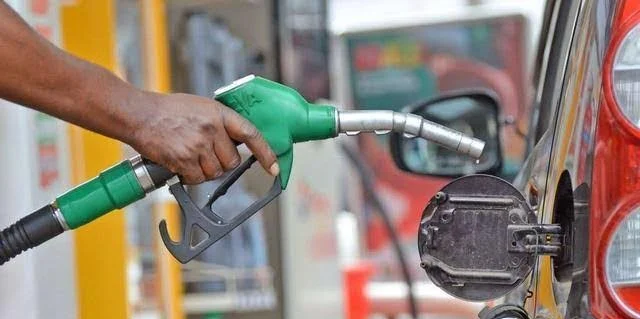
Petrol prices are moving closer to N1,500 per litre in Abuja following another increase in the gantry price of Premium Motor Spirit by Dangote Petroleum Refinery.
The refinery raised its petrol gantry price by N85, from N1,265 to N1,350 per litre. The new rate took effect on September 12, 2026.
The latest adjustment has already triggered fresh increases at filling stations across the Federal Capital Territory.
Checks showed that MRS stations raised their pump price from N1,350 to N1,395 per litre. NIPCO outlets now sell at N1,430, while Mobil stations have moved to N1,400.
The development has heightened fears that petrol could soon reach N1,500 per litre in Abuja. Industry players also expect higher prices in other major cities if crude oil remains above $100 per barrel.
Brent crude, the global benchmark for Nigerian oil, climbed to about $108 per barrel amid renewed tensions in the Middle East.
Chief Executive Officer of Petroleumprice.ng, Olatide Jeremiah, said the latest petrol increase reflected developments in the international oil market.
He warned that pump prices could rise further if the Middle East crisis continues to push up crude oil and freight costs.
“Oil price and freight rate spikes are universal challenges for refineries, except where the Federal Government intervenes,” Jeremiah said.
According to him, the Dangote refinery’s decision to raise its gantry price became inevitable as crude prices approached $110 per barrel.
He added that petrol could sell for N1,500 per litre in major Nigerian cities if the international crisis persists.
The impact could prove more severe in Abuja and northern cities because of their distance from coastal supply centres.
Unlike Lagos, Port Harcourt and Warri, which have relatively close access to refineries and terminals, Abuja relies heavily on road transportation for fuel supplies.
The additional freight, handling and distribution expenses add to the final price motorists pay at filling stations.
Data from the latest Energy Bulletin of the Industry Competency Centre, Lagos, showed that the seven-day average domestic petrol price stood at N1,308.33 per litre.
The bulletin also put the average diesel price at N1,855.97 per litre. Brent crude averaged $98.74, while Bonny Light stood at $104.65 during the period.
It further recorded a seven-day average exchange rate of N1,323.12 to the dollar. Coastal ex-depot petrol prices ranged between N1,265.50 and N1,285 per litre.
Industry estimates suggest that petrol could sell between N1,400 and N1,500 per litre in Abuja. Some filling stations could charge above N1,500, depending on supply costs and profit margins.
Northern cities such as Kano, Kaduna and Jos could face even higher prices. Industry estimates put possible pump prices in those markets between N1,450 and N1,600 per litre.
National Publicity Secretary of the Independent Petroleum Marketers Association of Nigeria, Chinedu Ukadike, said marketers had adjusted their prices following successive increases by Dangote Refinery.
He said the frequent changes had created uncertainty for marketers and consumers because replacement costs could change within a short period.
The latest adjustment marks the fourth increase in Dangote Refinery’s petrol gantry price since August 21.
The refinery raised the price from N1,165 to N1,185 on August 21. It moved to N1,200 on August 26 and N1,265 on August 29.
With the latest increase, the gantry price has risen by N185, or about 15.9 per cent, in just 22 days.
In a memo to customers, the refinery directed those with existing loading arrangements to return their Automated Truck Certificates for repricing before loading.
It said the revised gantry and coastal prices took effect on September 12. The refinery also announced new volume contracts for immediate loading.
The latest increase has renewed concerns about its impact on inflation, transport fares and the prices of essential commodities.
Economist and development expert Aliyu Ilias warned that higher petrol prices could worsen inflation and deepen economic pressure on households.
He said rising fuel costs would increase the cost of producing and transporting goods, particularly food.
“The more prices increase, the more the cost of producing goods, especially food, will rise because everything is affected by transportation costs,” Ilias said.
Meanwhile, a petrol attendant at an MRS station in Abuja said motorists could face another increase when the station receives fresh supplies.
“We are currently selling our old stock at N1,395 per litre, but from tomorrow, once the new stock arrives, the price will be higher,” she said.
📢 Follow National Periscope on WhatsApp
Get breaking news and updates directly on WhatsApp.
Join WhatsApp ChannelPost Disclaimer
All rights reserved. This material and other digital content on this website are not and do not represent the stance of National Periscope but the statements of newsmakers mentioned therein.
For your detailed news reportage... contact the Editor at Joel2oladele@gmail.com






Agunloye tackles Obasanjo on Mambilla power project A former Minister Read more
Nigeria to partner with Argentina on gas exploration and production Read more
FG considers alternative sources of generation to improve power supply. Read more
Electricity supply returns gradually after national grid collapse Most parts Read more