

JOEL OLADELE, Abuja
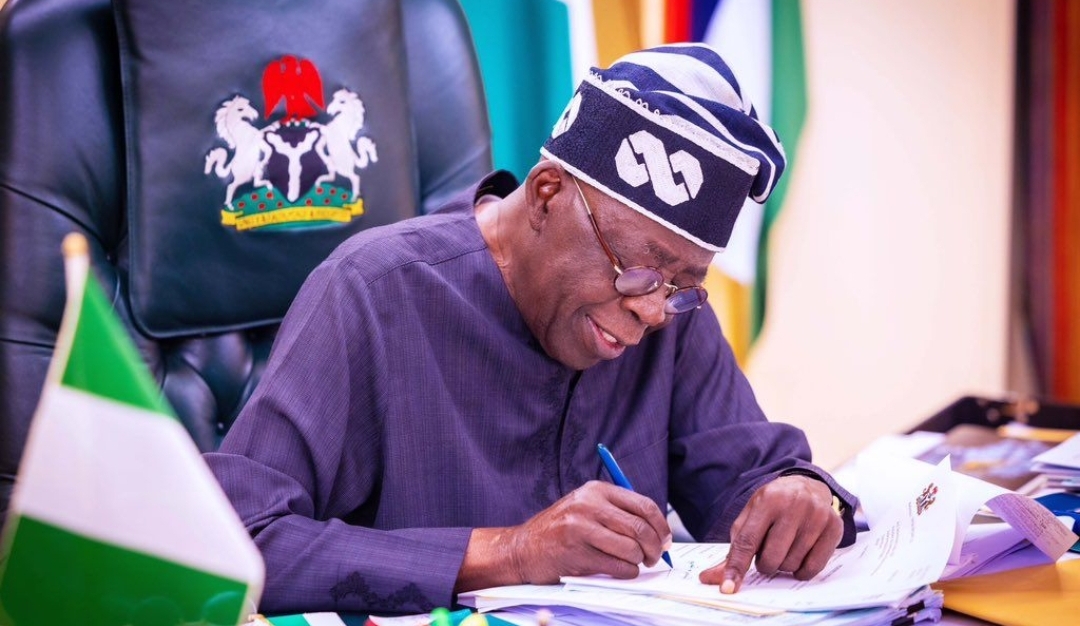
The Independent Media and Policy Initiative has defended President Bola Ahmed Tinubu’s borrowing strategy, insisting that the administration’s debt-for-infrastructure policy remains necessary to tackle Nigeria’s massive infrastructure deficit and stimulate economic growth.
The group said criticisms from opposition figures and advocacy organisations against the Federal Government’s borrowing plans were largely politically motivated and failed to offer practical alternatives for financing critical national infrastructure.
In a policy statement signed by its Chairman, Omoniyi Akinsiju, IMPI argued that Nigeria’s weak infrastructure base continues to undermine productivity, increase poverty and discourage investment across sectors of the economy.
The group noted that over 70 per cent of Nigeria’s road network is in poor condition, while the country’s electricity generation remains far below national demand despite decades of investment.
According to the statement, Nigeria currently operates only about 4,000 megawatts of electricity on average from an installed capacity of 12,500MW, forcing businesses to spend an estimated $29 billion yearly on alternative energy sources such as diesel generators.
The policy group added that the country’s rail infrastructure also remains grossly inadequate for a population exceeding 220 million people.
“Our review of all imputations made in this regard points to a fallacy of generalisation, lacking an alternative workable solution to the historical limitations inherent in Nigeria’s infrastructure deficit,” the statement read.
IMPI cited estimates from international institutions, including the World Bank and the African Development Bank, which placed Nigeria’s infrastructure deficit between $2 trillion and $3 trillion.
It said global audit firm KPMG had estimated that Nigeria would need to invest at least $14.2 billion annually over 10 years to substantially bridge the infrastructure gap.
The group stressed that no federal administration since 2000 had consistently achieved such levels of infrastructure spending until the Tinubu administration.
According to IMPI, the 2026 budget marked a major shift in fiscal policy with approximately $23 billion allocated to infrastructure and capital projects.
The group described the allocation as the first time Nigeria had surpassed the benchmark required for meaningful infrastructure expansion.
“We acknowledge the record-breaking fiscal milestone set by the President Tinubu-led federal administration, which matched and exceeded KPMG’s $14.2 billion annual infrastructure spending estimate for the first time in Nigeria’s fiscal history,” it stated.
The policy group dismissed claims that savings from fuel subsidy removal should have been enough to finance infrastructure projects without borrowing.
It argued that subsidy payments themselves were historically financed through debt and that the estimated annual savings could not cover Nigeria’s huge infrastructure needs.
IMPI also rejected arguments favouring exclusive reliance on Public-Private Partnerships, saying PPP arrangements in Nigeria have often suffered setbacks due to political instability, weak institutional capacity and slow implementation processes.
According to the group, despite Nigeria’s pension and insurance assets exceeding $100 billion, less than five per cent is currently invested in infrastructure projects.
It added that government investment remains critical to attracting private capital and boosting investor confidence.
The group pointed to recent improvements in Nigeria’s Eurobond market performance as evidence of growing international confidence in the economy.
It noted that Nigeria’s sovereign Eurobond yields recently dropped to 6.89 per cent from eight per cent, reflecting improved investor sentiment toward the country’s reform agenda and macroeconomic stability.
IMPI maintained that borrowed funds should continue to be channelled toward strategic sectors such as transportation, power, healthcare, education and digital infrastructure.
It further argued that government borrowing through bonds and treasury bills helps deepen the domestic financial market and provides benchmark pricing for private-sector debt instruments.
The policy group listed several ongoing infrastructure projects under the current administration, including rail projects in Lagos, Kano and Kaduna worth about $2.99 billion, over N7 trillion approved for roads and bridges nationwide, reconstruction of major seaports and more than N1 trillion allocated to power sector projects.
According to the statement, the projects would improve productivity, reduce unemployment and strengthen long-term economic growth if properly implemented.
📢 Follow National Periscope on WhatsApp
Get breaking news and updates directly on WhatsApp.
Join WhatsApp ChannelPost Disclaimer
All rights reserved. This material and other digital content on this website are not and do not represent the stance of National Periscope but the statements of newsmakers mentioned therein.
For your detailed news reportage... contact the Editor at Joel2oladele@gmail.com




Lamido warns APC against growing anger, discontent in the land Read more
FG Approves Transition Period for Direct Remittance of Oil Revenues Read more
Farmers happy as cocoa prices hit 8,000 pounds per tonne Read more
FG, States, LGCs Share N1.727trn FAAC Revenue in November JOEL Read more