

•Lagos, Kwara raise alarm over rising temperatures, dehydration
•Pregnant women, traders, construction workers among vulnerable groups
•Experts call for urgent measures to prevent heatstroke
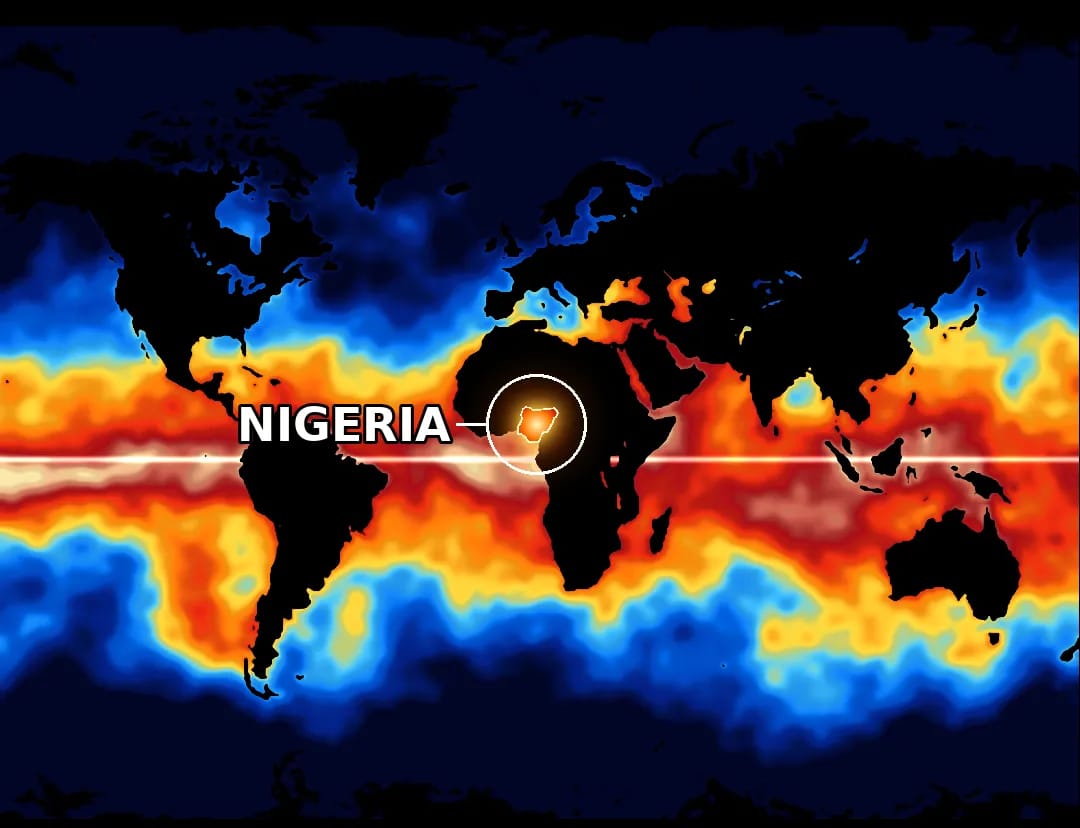
Nigeria could record about 56,000 additional heat-related deaths between October 2026 and March 2027 as the El Niño climate phenomenon intensifies, raising concerns over the country’s preparedness for extreme temperatures and their impact on public health.
The projection by the Climate Impact Lab at the University of Chicago places Nigeria ahead of other countries expected to suffer the highest heat-related mortality during the six-month period.
The warning comes as the Lagos and Kwara state governments have raised concerns over rising temperatures, urging residents to take precautions against dehydration, heat exhaustion and heatstroke.
According to the El Niño Heat Mortality Tracker released by the research institution, about 373,000 additional deaths could occur worldwide from extreme heat between October 2026 and March 2027, with Nigeria accounting for approximately 56,000.
The projection places India next to Nigeria with about 55,000 expected deaths, while Indonesia and Brazil could record approximately 29,000 and 19,000 respectively.
The tracker estimates additional deaths associated with the current El Niño event compared with the 1996–2005 baseline, using research on the relationship between daily temperatures and mortality across different regions.
The researchers said the revised projections incorporated March 2027 into the forecast period and actual temperature observations for August and September, which were significantly higher than earlier forecasts.
The figures are model-based estimates rather than confirmed fatalities or a certainty that the projected deaths will occur. However, they highlight the potential public health consequences of prolonged exposure to excessive heat and the need for early interventions.
In Lagos, the Commissioner for the Environment and Water Resources, Tokunbo Wahab, on Friday warned that the combination of the emerging El Niño climate pattern and the transition into the dry season could bring unusual temperatures, dry spells, dust and deteriorating air quality.
Wahab said Lagos was particularly exposed because of its dense population, rapid urbanisation and concentration of buildings and roads that absorb and retain heat.
He explained that limited green spaces and inadequate ventilation in some densely populated neighbourhoods could worsen the effects of rising temperatures, leaving residents with little relief during periods of intense heat.
“The strengthening El Niño climate pattern, alongside the seasonal transition into the dry season, could contribute to unusual temperature conditions, increased heat discomfort, dry spells, dust and deteriorating air quality,” he said.
The commissioner warned that prolonged exposure to excessive heat could cause dehydration, heat exhaustion and heatstroke, with potentially serious consequences if affected persons did not receive prompt medical attention.
He identified children, older persons, pregnant women, outdoor workers, street traders, construction workers, waste handlers and people with underlying health conditions as particularly vulnerable.
Wahab urged families, employers, schools and community leaders to pay special attention to these groups by ensuring they had access to drinking water, shaded areas and well-ventilated environments.
He advised residents to drink sufficient water regularly, wear lightweight and breathable clothing, seek shade and reduce strenuous outdoor activities during the hottest periods of the day.
The commissioner also called on schools, markets, workplaces and other public facilities to provide adequate ventilation, drinking water and shaded areas where people could take breaks.
He further warned that rising temperatures could compound Lagos’s existing air pollution problems, particularly during the dry season when dust and haze could aggravate respiratory conditions.
According to him, increased reliance on petrol and diesel-powered generators during power interruptions could further worsen air quality in some communities.
Wahab urged residents to avoid open burning of refuse and reduce exposure to dusty environments, particularly those living with respiratory conditions.
In Kwara State, the government has also advised residents to adopt preventive measures as temperatures rise, warning that prolonged exposure to direct sunlight could increase the risk of heat-related illnesses.
The Executive Secretary of the Kwara State Hospitals Management Board, Dr Abdulraheem Malik, gave the advice on Sunday while outlining measures being taken by the state to address the health implications of extreme temperatures.
Malik said the board was strengthening healthcare services and promoting preventive health practices to reduce cases of dehydration, heat exhaustion and heatstroke.
He urged residents to drink adequate water, wear light clothing, avoid strenuous outdoor activities during the hottest hours and remain in shaded or well-ventilated environments.
The executive secretary explained that dehydration could manifest through excessive thirst, dry mouth, dark-coloured urine and dizziness, while heat exhaustion could cause heavy sweating, headaches, muscle cramps, nausea and weakness.
He warned that confusion, seizures, collapse or loss of consciousness could indicate heatstroke, a life-threatening condition requiring immediate medical attention.
Malik stressed that families and caregivers had a responsibility to protect vulnerable persons by ensuring they had access to drinking water and cooler environments.
He said, “Heat exhaustion may cause heavy sweating, headaches, muscle cramps, nausea and weakness, while confusion, seizures, collapse or loss of consciousness may indicate heatstroke, which requires immediate emergency medical attention.”
He urged residents to seek prompt medical attention whenever they noticed symptoms associated with heat-related illnesses, particularly as delayed intervention could worsen their conditions.
Malik added that public health education through healthcare facilities remained central to the board’s efforts to prevent heat-related illnesses, while government hospitals were being strengthened to provide appropriate care.
Beyond individual precautions, the Lagos State Government called for coordinated action among government agencies, health institutions, businesses, environmental experts and community stakeholders to improve preparedness.
Wahab said the state, through the Ministry of the Environment and Water Resources and its agencies, would continue public awareness campaigns and work with the Nigerian Meteorological Agency, the state Ministry of Health and the Lagos State Emergency Management Agency to strengthen preparedness and response.
He also urged residents to protect existing trees, plant more trees, preserve green spaces and adopt proper waste disposal practices to reduce environmental degradation.
The Climate Impact Lab has similarly identified early warning systems, access to healthcare, provision of drinking water and cooling centres as important interventions for reducing heat-related mortality.
Its researchers said identifying high-risk locations and directing protective measures towards vulnerable populations could help save lives during the forecast period.
📢 Follow National Periscope on WhatsApp
Get breaking news and updates directly on WhatsApp.
Join WhatsApp ChannelPost Disclaimer
All rights reserved. This material and other digital content on this website are not and do not represent the stance of National Periscope but the statements of newsmakers mentioned therein.
For your detailed news reportage... contact the Editor at Joel2oladele@gmail.com






CISLAC Blames Stampedes on Poor Governance, Calls for Urgent Intervention Read more
The Nigerian Army has revealed how a coordinated security operation Read more
[caption id="attachment_26028" align="alignnone" width="1280"] President Bola Ahmed Tinubu departing Nigeria[/caption] Read more
Crude Oil Production Declines by 5 Percent in February, Says Read more