


The Federal Government has reduced the import levy on both new and used vehicles as part of the 2026 Fiscal Policy Measures, a move aimed at lowering the cost of vehicle importation and stimulating economic activities.
Under the revised tariff regime, the levy on new vehicles has been slashed from 20 per cent to 10 per cent, while that of used vehicles has been reduced from 15 per cent to five per cent.
The new rates have already taken effect and form part of a wider overhaul of Nigeria’s import tariff structure introduced by the Federal Government.
The policy is expected to ease the financial burden on vehicle importers and could ultimately make automobiles more affordable for consumers by reducing import costs.
The adjustment is among several fiscal reforms contained in the government’s 2026 policy framework, which also reviews tariffs on various imported goods and introduces fresh tax measures.
As part of the reforms, the Federal Government has also commenced the implementation of a Green Tax surcharge on specified high-engine vehicles from July 1, alongside other customs and excise policy changes.
Meanwhile, the World Bank has approved a fresh **$1.25 billion** loan for Nigeria under its **Nigeria Actions for Investment and Jobs Acceleration** programme.
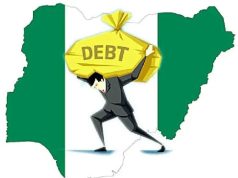
The approval came as concerns continue to mount over the country’s growing debt profile and renewed calls for the Federal Government to reduce dependence on external borrowing.
The World Bank announced the facility in a statement on Wednesday while unveiling a new Country Partnership Framework for Nigeria covering the period from 2026 to 2032.
According to the global financial institution, the six-year framework is designed to support Nigeria’s efforts to generate employment by encouraging private sector-led economic growth.
“The World Bank Group has endorsed a new Country Partnership Framework for Nigeria spanning 2026–2032, setting out a strategy to create more and better jobs at scale by unlocking private sector-led growth,” the statement said.
The latest fiscal measures reflect the government’s efforts to balance revenue generation with policies intended to encourage trade, investment and economic expansion.
📢 Follow National Periscope on WhatsApp
Get breaking news and updates directly on WhatsApp.
Join WhatsApp ChannelPost Disclaimer
All rights reserved. This material and other digital content on this website are not and do not represent the stance of National Periscope but the statements of newsmakers mentioned therein.
For your detailed news reportage... contact the Editor at Joel2oladele@gmail.com





You can’t run Nigeria’s economy on palliatives, Sowunmi tackles FG Read more
FG Reaffirms Nigeria as Africa's Leading Investment Hub JOEL OLADELE, Read more
Nigeria needs tough decisions today for a better future -Tinubu Read more
It’s time to challenge Dangote’s dominance – Retiring police commissioner, Read more