


The European Union (EU), alongside the Embassy of Switzerland, the French Development Agency (AFD), Deutsche Gesellschaft für Internationale Zusammenarbeit (GIZ), United Nations agencies and other development partners, has reaffirmed its commitment to supporting long-term recovery and resilience in Yobe State.
The pledge followed a joint technical mission to the state aimed at reviewing ongoing projects, strengthening coordination with the Yobe State Government and engaging communities benefiting from donor-funded interventions.
In a statement issued on Wednesday by the European Union Delegation to Nigeria and ECOWAS, the delegation said the visit formed part of a broader mission to Yobe and Adamawa states scheduled for July 5 to 10.
The Yobe leg of the visit, held between July 6 and 7, included engagements with the Yobe State Emergency Management Agency (YOSEMA), the Durable Solutions Secretariat, state officials and implementing partners to assess progress on programmes focused on durable solutions for displaced persons, economic recovery and water resource management.
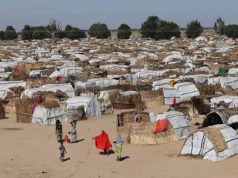
The delegation also visited the Maisandari community, where it assessed the proposed site for the European Union-funded Support for Internally Displaced Persons in Nigeria (SIDPIN) programme, jointly implemented by the International Organization for Migration (IOM), the United Nations High Commissioner for Refugees (UNHCR) and the United Nations Human Settlements Programme (UN-Habitat).
Members of the delegation inspected land earmarked for an integrated settlement for internally displaced persons and host communities, visited schools and primary healthcare facilities, and held discussions with community leaders on local priorities and sustainable integration.
The team equally toured Swiss Government-supported projects in Maisandari and Sumsumma implemented by Save the Children, where beneficiaries engaged in livestock and crop production shared their experiences. It also met Community Early Warning and Anticipatory Action Committee members and visited community health and nutrition projects supporting vulnerable families.
In Damaturu, the delegation participated in the launch workshop for the Inclusive Economic and Social Recovery in the Lake Chad Region (RESILAC 2) project, which seeks to improve resilience and livelihoods in communities affected by conflict, displacement and climate-related shocks.
The mission also featured engagements with the Hadejia-Jama’are Komadugu Yobe Trust Fund and visits linked to GIZ’s LACHAWAMA project, with discussions centred on sustainable water resource management and institutional coordination.
Head of Cooperation at the European Union Delegation to Nigeria and ECOWAS, Massimo De Luca, said the visit underscored the EU’s commitment to helping Yobe transition from humanitarian response to long-term recovery.
“This joint visit reflects the European Union’s continued commitment to supporting people and institutions in Yobe State as they move from crisis response towards recovery, resilience and durable solutions,” he said.
De Luca commended the Yobe State Government, local authorities, community leaders and development partners for their collaboration, noting that coordinated and locally driven interventions were delivering positive results.
Also speaking, Humanitarian Adviser at the Embassy of Switzerland in Nigeria, Aline Bürki, said the country’s support was aimed at helping displaced persons, returnees and host communities rebuild their lives in safety and dignity.
She said combining livelihood support, water and sanitation services, climate preparedness and peacebuilding had demonstrated the benefits of close collaboration between governments, humanitarian organisations and local communities.
Programme Manager for Nigeria, ECOWAS and the Lake Chad Region at the French Development Agency, Sally Ibrahim, said initiatives such as RESILAC 2 would strengthen economic recovery and resilience among vulnerable populations.
She added that the project would also deepen collaboration between state authorities and development partners to improve access to basic services and support sustainable development in Yobe.
Regional Project Manager of GIZ Nigeria, Boubakar Abdou Boko, stressed the importance of sustainable water resource management in promoting livelihoods, public health and peaceful coexistence.
Representing the Yobe State Governor, Secretary to the State Government, Dr. Goje Muhammed, thanked the international partners for their continued support, saying government-led and community-driven interventions remained the most sustainable path to addressing displacement and promoting development.
“Together, we are moving beyond immediate humanitarian response toward resilience, recovery and lasting development gains for displaced persons, host communities and border populations,” he said.
The delegation concluded the visit with a joint debriefing session, during which partners agreed on priorities and next steps to strengthen coordination and improve the impact of ongoing programmes across the state.
📢 Follow National Periscope on WhatsApp
Get breaking news and updates directly on WhatsApp.
Join WhatsApp ChannelPost Disclaimer
All rights reserved. This material and other digital content on this website are not and do not represent the stance of National Periscope but the statements of newsmakers mentioned therein.
For your detailed news reportage... contact the Editor at Joel2oladele@gmail.com




The Federal Government has received five Nigerian citizens rescued from Read more
Commission warns Nigerians in S’Africa against xenophobic attacks over Super Read more
FG Advices Nigerians Travelling Abroad to Inform MFA, Foreign Missions Read more
DAVOS 2025: Tuggar Canvasses for Africa’s UN Security Membership JOEL Read more