
The Federal Government is moving to align Nigeria’s education curriculum with changing employer needs as it seeks to prepare young Nigerians for jobs in the global economy.
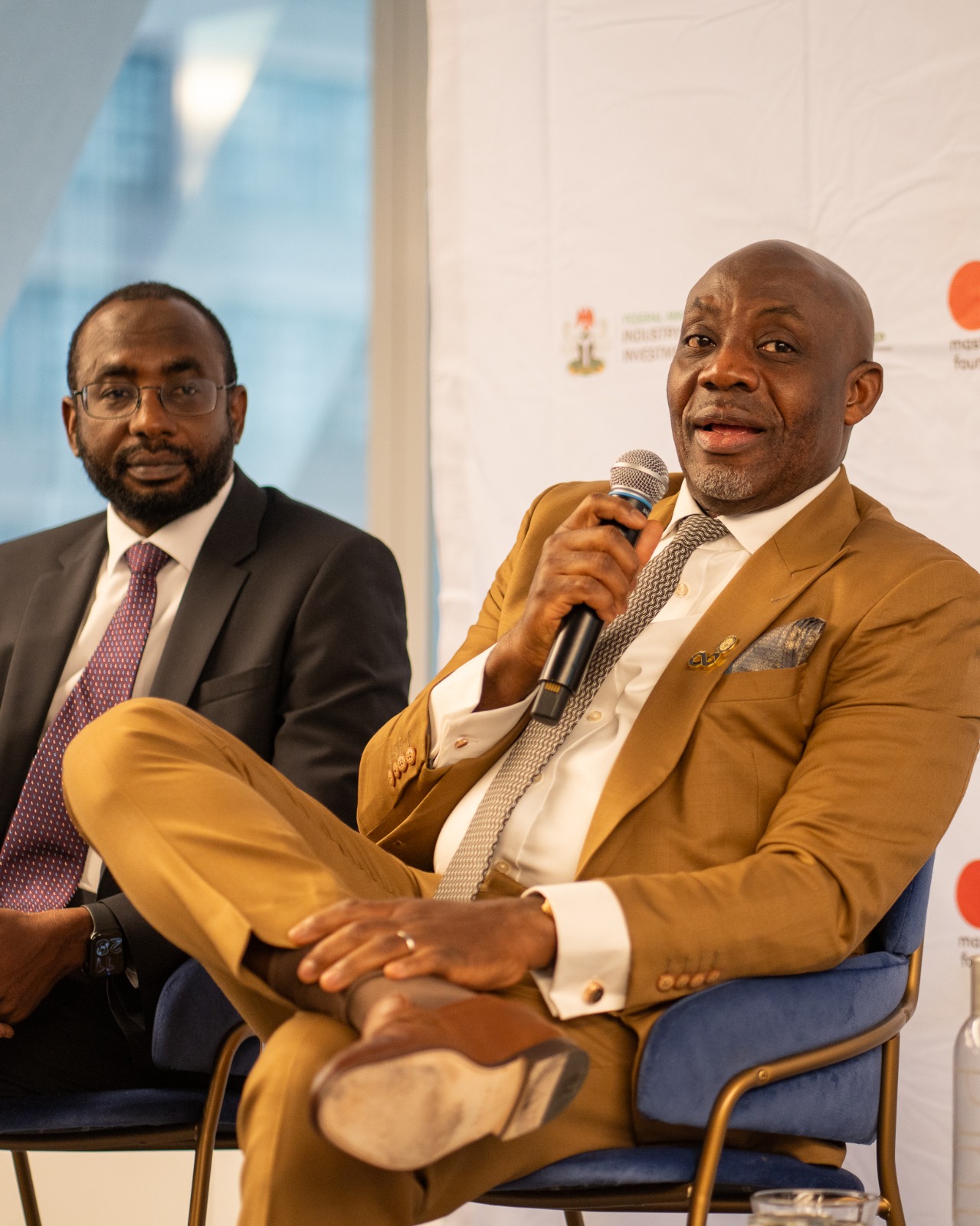
Minister of Education, Dr Maruf Tunji Alausa, disclosed this at the Hire From Nigeria side event on the margins of the 81st United Nations General Assembly in New York.
Alausa said the government was repositioning the education and skills system to produce trained, certified and adaptable workers who can compete in the global outsourcing and digitally enabled services market.
He said Nigeria’s large youthful population, English-language advantage and growing digital capacity provided a strong foundation for the country to expand its participation in the global services economy.
However, the minister identified the gap between training and changing employer demands as one of the challenges that could limit Nigeria’s competitiveness.
He said the government was responding through curriculum reform, stronger accreditation and quality assurance, as well as expanded digital and technical training.
Alausa also called for greater employer involvement in education, saying businesses should have a role in shaping programmes to ensure that training reflects actual workplace requirements.
“We need a permanent employer-led feedback loop, not occasional curriculum reviews,” he said.
According to him, employers should participate from programme design through training, assessment, certification and recruitment.
The minister said the approach would help create a direct link between education and employment while improving the quality and relevance of skills acquired by Nigerian students and trainees.
He also said the government was working to strengthen technical and vocational education and training (TVET) as a pathway to employment, entrepreneurship and global opportunities.
Alausa disclosed that the Federal Government’s free TVET programme had attracted more than one million applications, with 160,000 trainees supported through about 1,200 centres nationwide.
The centres include federal technical colleges and accredited private training institutions.
The minister said Nigeria must also prepare its workforce for changes driven by artificial intelligence and other emerging technologies.
“We must train young people to work with artificial intelligence, not to compete with it on routine tasks,” he said.
He listed data literacy, cybersecurity, cloud services, software development, quality assurance and AI-enabled operations among the skills that would increasingly complement technology in the workplace.
Through the Digital Training Academy, the government is partnering with global learning providers, including Coursera and Pluralsight, to give 32,000 Nigerians free access to professional digital and technology training.
The programme covers fields such as artificial intelligence, cybersecurity, cloud computing, information technology automation and financial technology.
Alausa said the Student Venture Capital Grant was also helping students in science, technology, engineering, mathematics and medicine turn innovative ideas into viable businesses.
He urged international employers, business process outsourcing operators and investors to move beyond expressing interest in Nigerian talent and establish practical partnerships with training institutions.
He called on employers to identify their skills requirements, co-design training programmes, provide work-based learning and recruit from Nigerian talent pools.
Alausa also urged business process outsourcing operators and investors to expand delivery centres beyond Nigeria’s largest commercial cities.
He said such expansion would require investment in training infrastructure, connectivity, quality systems and management capacity.
The minister said the measures formed part of the Federal Ministry of Education’s role in the National Talent Export Programme.
The programme targets one million export-linked jobs and 10 million globally certified Nigerians by 2030.
Alausa said the ministry would continue to align education reforms with the human capital development, job creation and skills acquisition objectives of President Bola Ahmed Tinubu’s Renewed Hope Agenda.
He said the ultimate goal was to build an education system that equips Nigerian talent with relevant skills and connects young people to employment opportunities in the global economy.
📢 Follow National Periscope on WhatsApp
Get breaking news and updates directly on WhatsApp.
Join WhatsApp ChannelPost Disclaimer
All rights reserved. This material and other digital content on this website are not and do not represent the stance of National Periscope but the statements of newsmakers mentioned therein.
For your detailed news reportage... contact the Editor at Joel2oladele@gmail.com





NTI DG Laments as PhD Student Could Not Write His Read more
The Federal Government has inaugurated a Technical Working Group to Read more
FUTA leads other universities in National Research Fund Grants Researchers Read more
FG begins payment of withheld ASUU salaries The federal government Read more