

•Children, Nursing Mothers Bear Brunt of Food Crisis
•More Than 34 Million Nigerians Face Hunger, UN Projects
•Conflict, Explosive Devices Keep Farmers Away From Farmlands
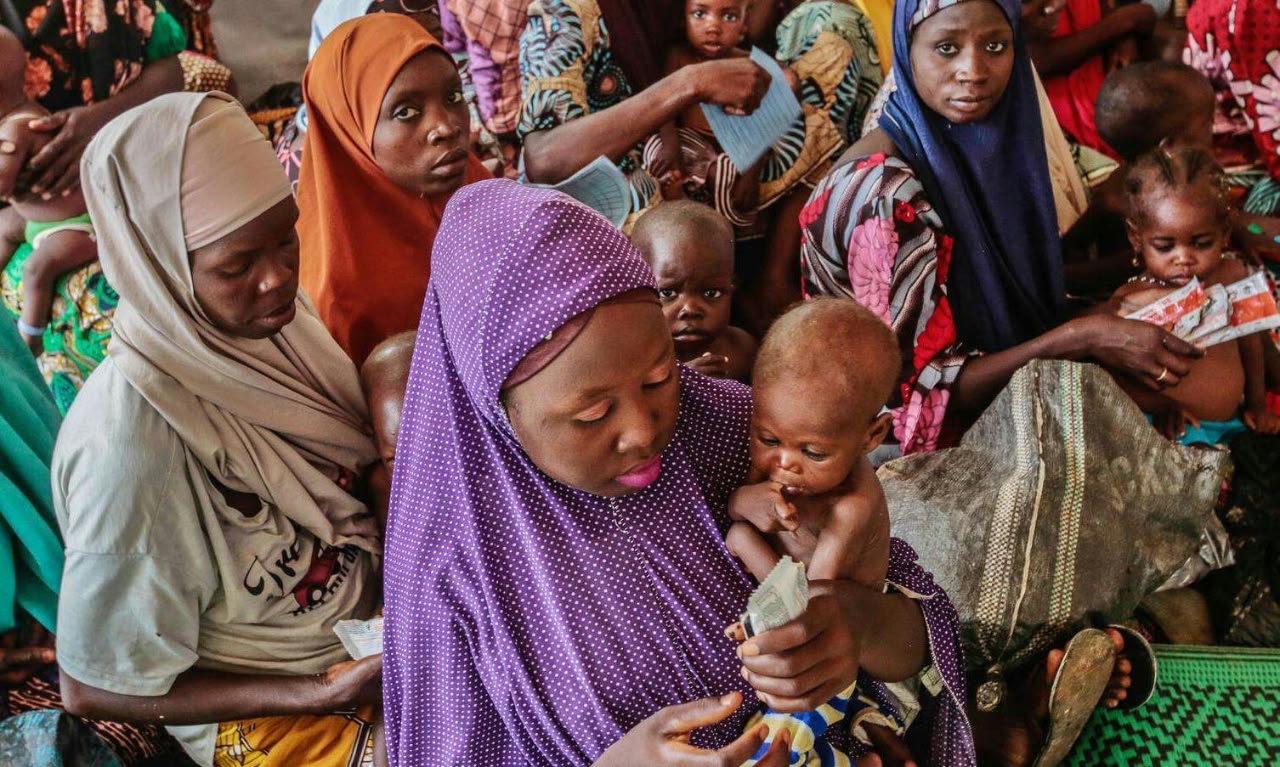
Malnutrition admissions at health facilities supported by the International Committee of the Red Cross (ICRC) in North-East Nigeria rose by 18 per cent in the first nine months of 2026, with young children, pregnant women and breastfeeding mothers bearing the greatest burden.
The organisation said admissions at six health centres and four hospitals it supports increased from about 17,000 between January and September 2025 to nearly 20,000 during the corresponding period this year.
The ICRC disclosed the figures in a statement signed by its representatives, Aliyu Dawobe in Abuja and Mateo Jaramillo in Nairobi, Kenya, to mark World Food Day on Friday.
The increase comes amid growing concerns over food insecurity across Nigeria, where more than 34 million people are projected to face hunger in 2026, according to United Nations analysis cited by the organisation.
Nigeria is among the world’s hunger hotspots of greatest concern, alongside Sudan, Yemen, Somalia and Gaza, the analysis indicated.
The ICRC attributed the worsening food crisis partly to the effects of 15 years of conflict, which have disrupted livelihoods, restricted access to farmland and made it harder for families to obtain adequate food.
The situation is particularly concerning in Mubi, Adamawa State, where malnutrition admissions rose by nearly a quarter, from about 4,600 in the first nine months of 2025 to approximately 5,700 in the same period of 2026.
At the Mubi Stabilisation Centre, mothers queue with their young children for nutritional assessments as health workers attend to cases of acute malnutrition.
The organisation said armed conflict, climate shocks and economic pressures had left many households struggling to provide sufficient food. Insecurity has also forced some farmers to limit cultivation to areas close to their homes, reducing their access to more distant farmlands.
A farmer, Saminu Ijaduwa, described the danger associated with travelling to farms located outside safer areas, particularly because of explosive devices.
“Due to the conflict, going one kilometre out of town to farm could be highly risky. You might not return,” Ijaduwa said.
The threat has compounded the difficulties faced by communities already struggling with the effects of disrupted markets and limited livelihood opportunities.
According to the ICRC, when farmers cannot safely reach their fields and market activities are disrupted, families face greater difficulty securing enough food. Young children and pregnant and breastfeeding women are particularly vulnerable to the consequences of inadequate nutrition.
The organisation said the crisis required both immediate nutritional support and measures to help households maintain food production despite insecurity and changing weather conditions.
To address the problem, the ICRC, working with the Nigerian Red Cross, supports 15 primary healthcare centres and four hospitals. It also assists more than 200 communities through programmes aimed at treating malnutrition and improving food security.
Its interventions include distributing seeds adapted to drought and flooding, encouraging farmers to grow a wider variety of crops and teaching mothers how to prepare nutritious meals from locally available ingredients.
One initiative promotes the preparation of a nutritional mixture known as Tom Brown, made from sorghum, millet, soybeans, groundnuts and moringa.
The organisation said the programme had helped more than 13,000 young children recover from moderate acute malnutrition.
“Mothers are also taught how to prepare the mixture themselves to ensure they can continue providing nutritious food for their children,” the statement added.
World Food Day, observed annually on October 16, draws attention to efforts to improve food security and build sustainable food systems.
The ICRC’s latest figures highlight the continuing pressure on vulnerable households in North-East Nigeria, where conflict, unsafe access to farmland and economic hardship continue to threaten food supplies and children’s nutritional health.
📢 Follow National Periscope on WhatsApp
Get breaking news and updates directly on WhatsApp.
Join WhatsApp ChannelPost Disclaimer
All rights reserved. This material and other digital content on this website are not and do not represent the stance of National Periscope but the statements of newsmakers mentioned therein.
For your detailed news reportage... contact the Editor at Joel2oladele@gmail.com







NiMet Issues Safety Tips as Temperatures Near 40°C Across Nigeria Read more
BREAKING: Tinubu appoints new EFCC Chairman President Bola Tinubu has Read more
Gulf War: Provide Relief Measures as Inflation Threat Looms, Tinubu Read more
Senate moves to review laws for economic sustainability The Nigerian Read more