

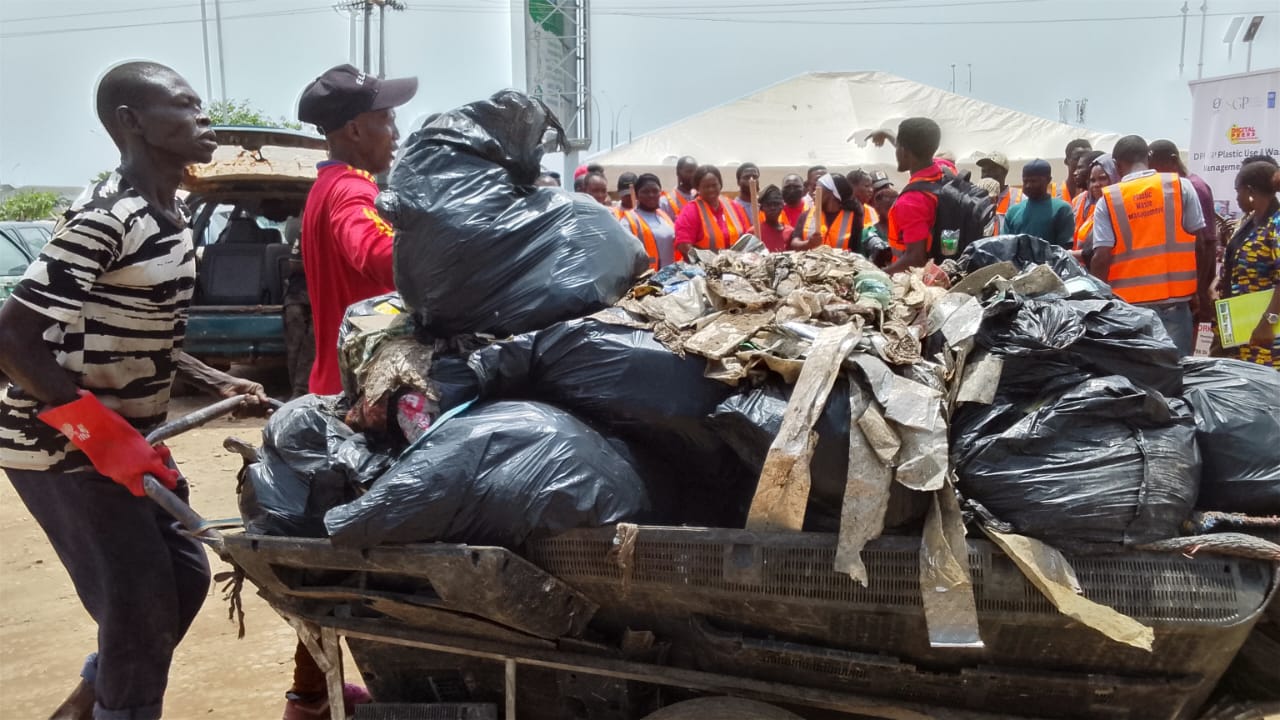
Environmental groups, government agencies and youth organisations have intensified efforts to tackle plastic pollution in the Federal Capital Territory with a renewed campaign aimed at promoting cleaner surroundings and responsible waste disposal across Abuja.
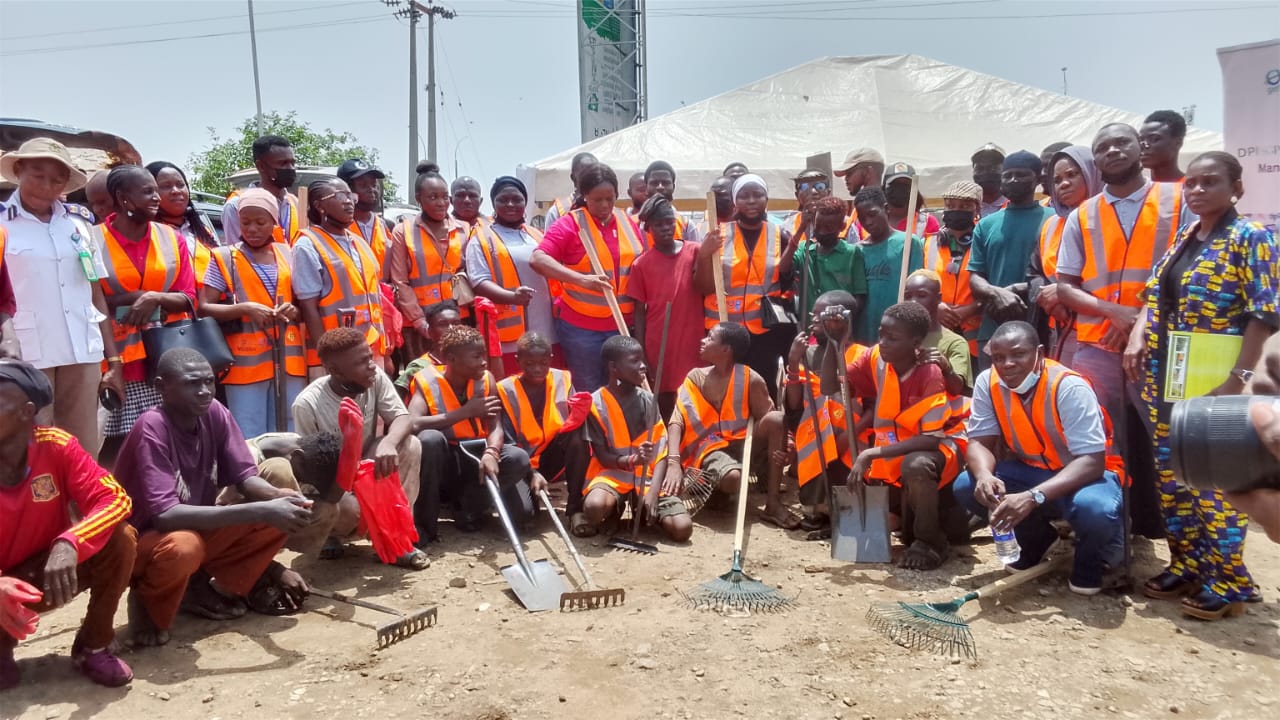
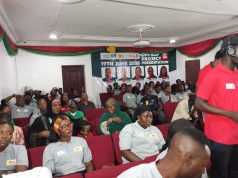
The clean-up and sensitisation exercise, held on Tuesday, brought together officials of the Abuja Environmental Protection Board, the Federal Ministry of Environment, youth volunteers and informal waste collectors under a project focused on improving plastic waste management through youth engagement and technology.
The initiative, tagged “Deploying the Power of IT-Engaged Youths in Effective Plastic Use and Plastic Waste Management 2.0,” was implemented under the Digital Peers International-Small Grant project.
The campaign comes amid growing concern over Nigeria’s rising plastic waste crisis, with estimates indicating that the country generates more than 2.5 million tonnes of plastic waste annually, placing increasing pressure on waste management systems and urban infrastructure.
Participants moved through major locations around Area 1 and Garki in Abuja, clearing plastic waste from drainage channels and public spaces while educating residents on the dangers of indiscriminate refuse disposal.
Organisers said the campaign was designed not only to improve sanitation but also to encourage long-term behavioural change among residents.
Chief Executive Officer of Digital Peers International and former Permanent Secretary in the Federal Ministry of Environment, Ibukun Odusote, said the project seeks to promote environmental responsibility and healthier living conditions.
“We are cleaning up in Gwagwalada Park, Area 1, Garki Abuja, and the purpose is to sensitise park users so that they understand that cleanliness is wealth. That is actually what makes for good life,” she said.
Odusote warned that careless disposal of sachet water nylons and other plastic materials continues to obstruct drainage systems, worsen flooding and create health hazards in urban communities.
“When you take your water, pure water as we call it in sachets, don’t throw the sachets on the street. They are blocking our waterways and places where water is supposed to flow freely so that we can have good sanitation and healthy living,” she added.
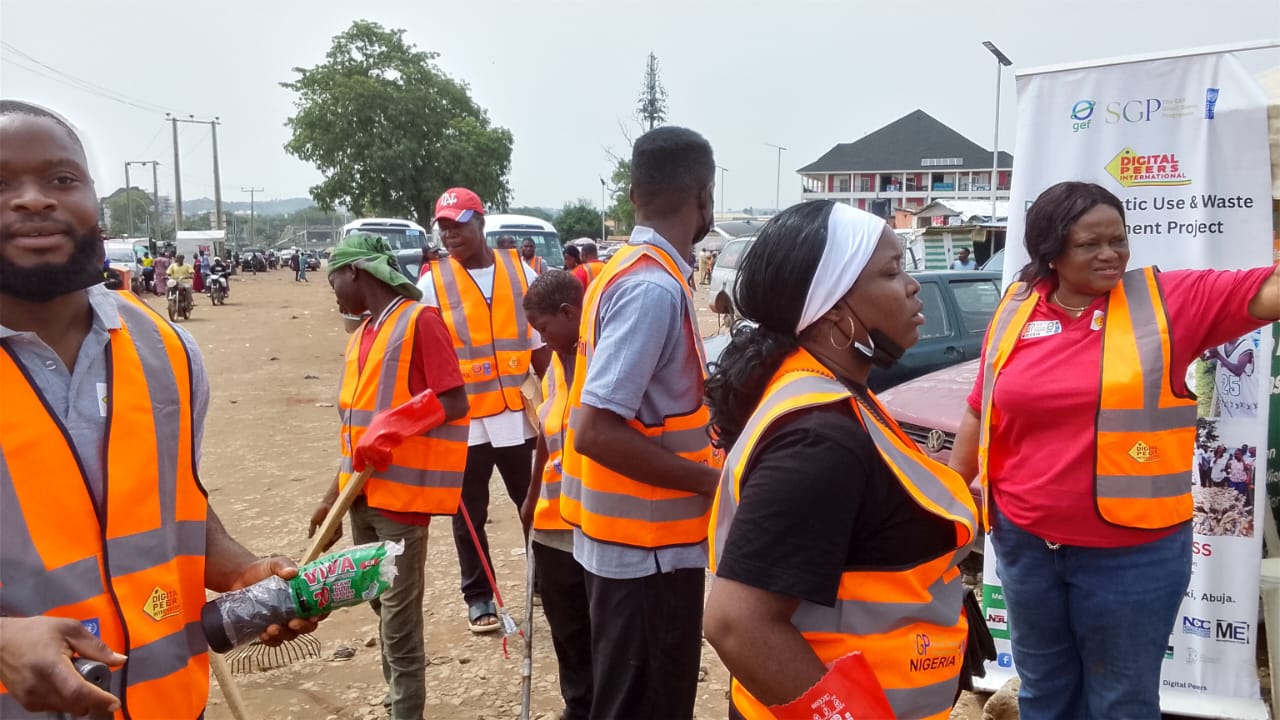
She explained that the programme, supported by the United Nations Development Programme Small Grants Programme, also promotes recycling and entrepreneurship by encouraging youths to convert plastic waste into useful products.
According to her, some participants are already producing interlocking tiles, household furniture and other materials from recycled plastics.
“One of the participants has a production plant where he is producing interlocking tiles from plastics. He melts the plastics, pours them into moulds, adds a bit of sand, and it becomes interlocking tiles,” she said.
“These interlocking tiles are durable and can last for many years. What we are promoting is waste-to-wealth. Plastics are not just waste; they are valuable materials.”
Odusote called for greater institutional backing for youth-driven recycling initiatives, noting that the sector has the potential to generate employment while reducing environmental pollution.
She added that the project has expanded beyond Abuja into neighbouring states including Nasarawa, Niger, Kaduna and Kano due to growing interest among young people.
A representative of the Abuja Environmental Protection Board, Eyo Maureen, described the initiative as an important intervention in the effort to build a cleaner and more sustainable capital city.
“The environment is our shared home. The way we treat it today will determine the kind of future we leave for coming generations,” she said.
Maureen stressed that poor waste disposal habits remain a major contributor to flooding, pollution and public health challenges in many communities across the FCT.
She urged residents to support recycling initiatives and adopt proper sanitation practices to help maintain a safer environment.
“Today’s exercise is more than just picking up waste. It is about creating awareness, encouraging behavioural change and promoting environmental sustainability,” she added.
The exercise also featured the participation of informal waste pickers, popularly known as “Babanbola,” who joined volunteers in collecting plastics and sensitising residents on proper waste management practices.
📢 Follow National Periscope on WhatsApp
Get breaking news and updates directly on WhatsApp.
Join WhatsApp ChannelPost Disclaimer
All rights reserved. This material and other digital content on this website are not and do not represent the stance of National Periscope but the statements of newsmakers mentioned therein.
For your detailed news reportage... contact the Editor at Joel2oladele@gmail.com




Digital Peers International (DPI) and Nasarawa State University, Keffi (NSUK), Read more
[caption id="attachment_22436" align="alignnone" width="1040"] Abuja largest dump site, Gosa[/caption] Plastic Read more
Take-away packs: Lagos maintains stance on styrofoam ban, gives three Read more
Tinubu appoints Mobereola as NIMASA DG, approves appointment of FCTA Read more