

•Anambra Govt Alerts Residents as NiMet Forecasts Above-Normal Flooding
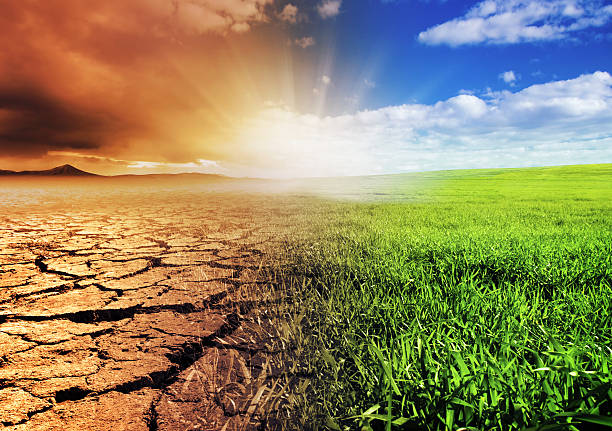
The Economic Community of West African States (ECOWAS) Parliament has raised concern over the growing impact of climate change on livelihoods, infrastructure and security across West Africa.
Experts at the Second Extraordinary Session of the ECOWAS Parliament in Accra, Ghana, warned that climate pressures could worsen displacement, food insecurity and conflict across the region.
The week-long session opened on Monday with the theme, “Climate change as a driver of environmental degradation, population displacement and rising insecurity in the ECOWAS region.”
The experts identified rising temperatures, drought, unpredictable rainfall, flooding, rising sea levels and land degradation among the major climate threats confronting the region.
Speaking on climate risks and their implications for regional stability, Senior Programme Officer, Climate Change and Ozone Directorate, Ghana’s Environmental Protection Authority, Dr Derek Sarfo-Yiadom, said climate hazards were no longer distant threats.
He said extreme heat, drought, heavy rainfall and rising sea levels were already affecting communities and critical infrastructure across West Africa.
Sarfo-Yiadom noted that seasonal temperatures had risen by between one and three degrees Celsius since 1970.
He said the increase was contributing to hotter heatwaves and increasingly unpredictable weather patterns.
Changing rainfall patterns, he added, were also increasing flood risks, while drought and extreme heat were placing additional pressure on farming and livelihoods.
He identified farmers, low-income communities, coastal settlements and displaced populations as among those most vulnerable to climate impacts.
Homes, irrigation systems, electricity networks, transport infrastructure, ports, markets and public services, he said, were also increasingly exposed.
Sarfo-Yiadom warned that climate change could contribute to displacement and conflict, particularly in communities that depend heavily on agriculture and natural resources.
He called for increased investment in adaptation measures, flood-proof zoning and wider climate-risk mapping.
He also urged governments to ensure that early-warning systems reach vulnerable communities and that authorities remain accountable for climate-related spending.
Similarly, Principal Officer, Climate Change and Climate Services at the ECOWAS Commission, Raoul Kouame, called for stronger coordination of regional climate policies and standards.
Kouame said ECOWAS should help member states translate their commitments under the Paris Agreement into practical action.
He identified institutional fragmentation, differences in national capacity and limited access to climate finance as major obstacles to effective climate action.
He advocated stronger cooperation in climate services, early-warning systems, forest and ecosystem protection, carbon markets and access to climate finance.
A climate, water and meteorology expert with the Permanent Inter-State Committee for Drought Control in the Sahel (CILSS), Dr Abdou Ali, also stressed the importance of regional cooperation.
Ali said climate risks did not respect national borders and required countries to share climate information, data, technical expertise and climate services.
He identified agriculture, coastal areas, biodiversity, disaster management and population displacement as areas requiring coordinated adaptation measures.
Earlier, Speaker of the ECOWAS Parliament, Hadja Memounatou Ibrahima, said the session provided an opportunity for delegates to begin concrete action on the challenges facing the region.
She also drew attention to Ghana’s Founder’s Day, which coincides with the birth of the country’s first President, Dr Kwame Nkrumah.
The Speaker recalled Nkrumah’s vision of a free and united Africa capable of determining its own destiny. Delegates observed a minute of silence in his honour.
Anambra Flood Alert
Meanwhile, the Anambra State Government has alerted residents to the risk of above-normal flooding following a forecast by the Nigerian Meteorological Agency (NiMet).
The state government said NiMet listed Anambra among states likely to experience above-normal flooding because of its location within the Delta belt.
The warning was contained in a joint statement issued by the Commissioner for Information and Value Reformation, Law Mefor, and Commissioner for Environment, Dr Clem Aguiyi.
The government urged residents to take the forecast seriously and remain vigilant throughout the rainy season.
It advised residents to avoid unnecessary movement during heavy rainfall, whether on foot or by vehicle.
It also urged those living in flood-prone areas to relocate where necessary and seek help promptly during emergencies.
The government said it was taking proactive steps to reduce the impact of the anticipated flooding.
It also appealed for public cooperation, stressing its commitment to protecting lives and property across the state.
📢 Follow National Periscope on WhatsApp
Get breaking news and updates directly on WhatsApp.
Join WhatsApp ChannelPost Disclaimer
All rights reserved. This material and other digital content on this website are not and do not represent the stance of National Periscope but the statements of newsmakers mentioned therein.
For your detailed news reportage... contact the Editor at Joel2oladele@gmail.com





World Meteorological Day: NiMet reiterates commitment to safeguarding lives, property Read more
NiMet Forecasts Intense Nationwide Heat in March The Nigerian Meteorological Read more
NiMet DG Anosike Elected President ECOWAS Committee of Directors, NMHSs Read more
NiMet Alerts Lagos, FCT, Others to Flooding Risk as Storms Read more