

Rising Rainfall, Humidity May Trigger Malaria Surge in South, Says NiMet
JOEL OLADELE, Abuja
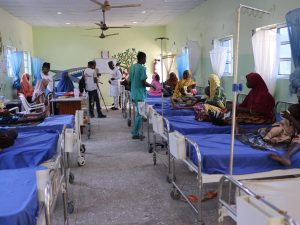
The Nigerian Meteorological Agency (NiMet), has warned that increasing rainfall and humidity levels in April could lead to a surge in malaria cases across southern Nigeria, as the country transitions fully into the rainy season.
In its April weather outlook released on Friday, the agency said the southern region would experience sustained rainfall, with coastal and inland areas expected to record between 120mm and 240mm during the month.
“April marks a full transition into the rainy season across southern Nigeria, with increasing rainfall, rising humidity, and more organised thunderstorms extending into central regions,” the agency stated.
NiMet noted that the prevailing wet and humid conditions create a favourable environment for mosquito breeding, heightening the risk of malaria transmission. It urged residents and health authorities to intensify preventive measures.
The agency also projected high temperatures nationwide, with daytime values ranging between 30°C and 41°C, while parts of northern Nigeria may record extreme temperatures of up to 43°C.
It added that warm nights and increased humidity would worsen thermal discomfort across many parts of the country, including the Federal Capital Territory.
While rainfall will dominate the South, central states are expected to witness more frequent thunderstorms, signalling a gradual spread of wet-season conditions. Northern areas, on the other hand, may begin to experience isolated rainfall later in the month.
NiMet said dust haze could persist in parts of the North at the beginning of April but would gradually subside as moisture influx increases.
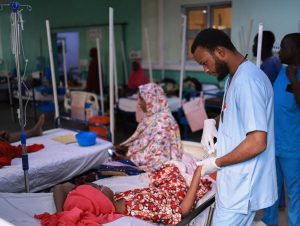
On public health, the agency advised heightened vigilance against malaria in the South and meningitis in the North, warning that the combination of heat and humidity could worsen health outcomes if preventive steps are not taken.
It recommended that residents stay hydrated, avoid prolonged exposure to sunlight during peak hours, and adopt protective measures against mosquito bites.
For the agricultural sector, NiMet said planting activities are already underway in the South, while farmers in the central region should wait for more consistent rainfall before full-scale planting. Northern farmers were advised to continue land preparation and irrigation.
The agency also cautioned that thunderstorms could disrupt air and road travel, while early-month dust haze in the North may reduce visibility.
It further highlighted environmental risks, including possible flooding in southern urban centres due to increased rainfall and the lingering threat of bushfires in drier northern areas.
Overall, NiMet said April would be characterised by a mix of heat and expanding rainfall nationwide, marking a steady progression into the peak rainy season.
📢 Follow National Periscope on WhatsApp
Get breaking news and updates directly on WhatsApp.
Join WhatsApp ChannelPost Disclaimer
All rights reserved. This material and other digital content on this website are not and do not represent the stance of National Periscope but the statements of newsmakers mentioned therein.
For your detailed news reportage... contact the Editor at Joel2oladele@gmail.com




NiMet, LASWA to Collaborate on Climate-Smart Ferry Operations JOEL OLADELE, Read more
JOEL OLADELE, Abuja [caption id="attachment_21922" align="alignnone" width="960"] (L-R) NiMet Director Read more
NiMet, C-WINS Partner to Shield Farmers from Climate Threats JOEL Read more
The Nigerian Meteorological Agency (NiMet) and AKADEMIYA2063 have signed a Read more