
DBI, ITU Train Telecom Workforce to Drive Nigeria’s 90,000km Fibre Expansion
FELICIA ONAH, Abuja
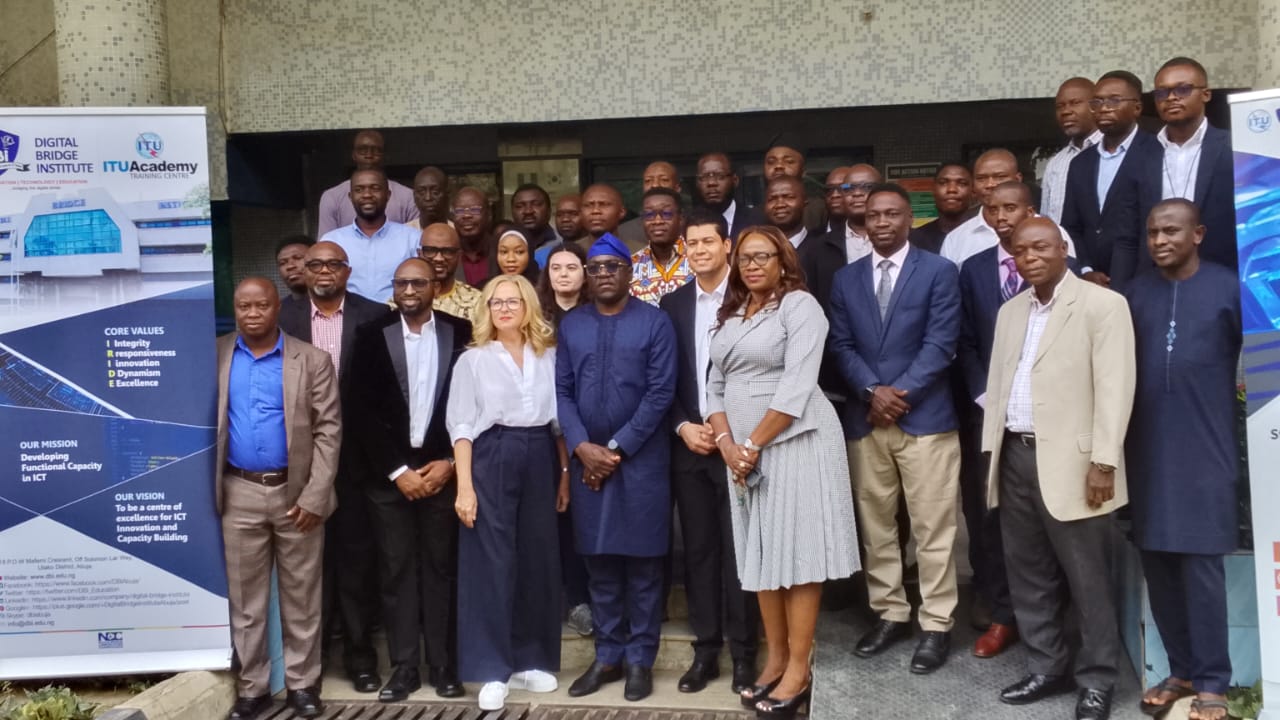
The Digital Bridge Institute (DBI) and the International Telecommunication Union (ITU) have launched a capacity-building programme aimed at strengthening the technical and regulatory expertise needed to drive Nigeria’s planned 90,000-kilometre fibre optic expansion.
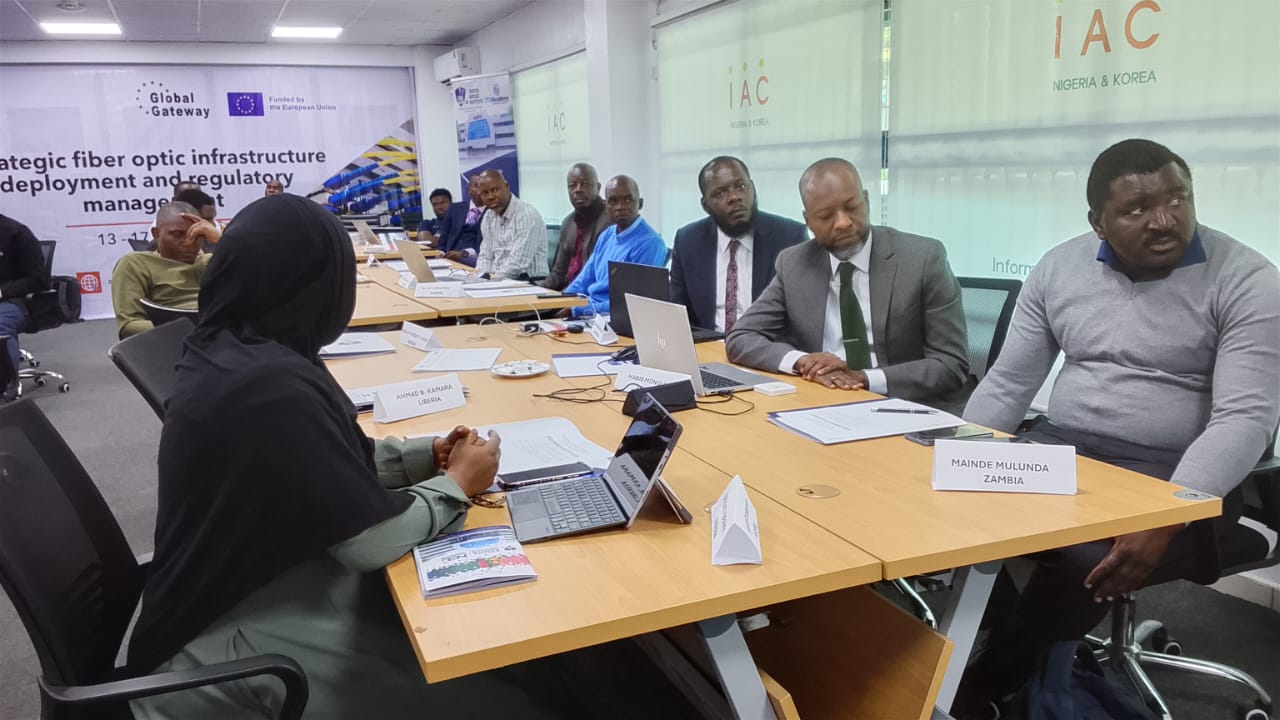
The five-day training, which began in Abuja on Monday, has drawn participants from across Nigeria and other parts of sub-Saharan Africa, focusing on equipping industry professionals with the skills required to deepen broadband penetration and expand digital access.
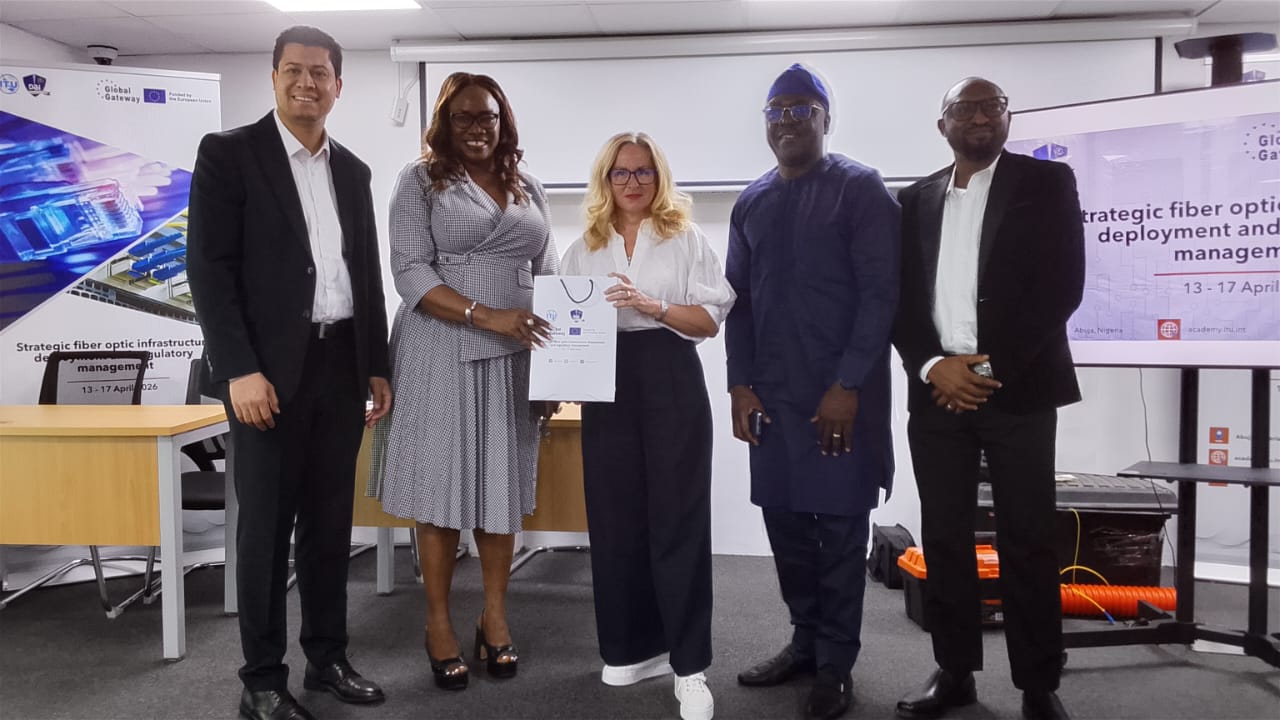
Speaking at the opening, the Executive Vice Chairman of the Nigerian Communications Commission (NCC), Aminu Maida, represented by the Executive Commissioner, Technical Services, Engr. Abraham Oshadami said the initiative comes at a critical time in Nigeria’s digital journey.
He noted that fibre infrastructure remains central to national development, describing it as the backbone for sectors such as education, healthcare, agriculture and governance.
According to him, the Federal Government’s Project BRIDGE is targeting the deployment of an additional 90,000 kilometres of fibre cables to extend connectivity to all 774 local government areas, a move expected to significantly boost economic growth and inclusion.
Maida explained that the training is closely tied to the success of the project, as it seeks to build the human capacity required to plan, deploy and regulate such a large-scale infrastructure rollout.
“This programme will equip participants with the strategic insights and practical tools needed to accelerate fibre rollout, improve regulatory efficiency and strengthen collaboration across the ecosystem,” he said.
He, however, pointed to lingering obstacles, including high right-of-way charges, bureaucratic delays and infrastructure vandalism, as key issues slowing broadband expansion. He added that regulatory engagement with state governments has begun to yield results, with 13 states already waiving right-of-way fees to attract investment.
The NCC boss also referenced a 2024 presidential directive designating telecom assets as Critical National Information Infrastructure, noting that the move is intended to enhance the protection of telecom facilities nationwide.
In his remarks, the President/CEO of DBI, David Daser, represented by the Director, Special Duties, Viola Askia-Usoro said the programme was designed to address the skills gap that could hinder the effective implementation of Nigeria’s fibre expansion plan.
He described the training as a strategic intervention to ensure that investments in infrastructure are matched with the required technical know-how.
“This initiative is a deliberate effort to prepare the workforce needed to deliver large-scale broadband projects and to ensure that infrastructure deployment translates into real digital inclusion,” he said.
Daser added that the curriculum covers key areas such as fibre planning, deployment strategies, regulatory frameworks, infrastructure sharing and stakeholder collaboration—critical components for executing nationwide connectivity projects.
He noted that DBI’s partnership with ITU, with support from the European Union, underscores a shared commitment to building resilient and inclusive digital ecosystems across Africa.
“Our collaboration has enabled us to host platforms like the ITU Academy Training Centre and the Digital Transformation Centre, both of which are advancing digital skills and access,” he said.
Also speaking, Inga Stefanowicz of the EU Delegation to Nigeria and ECOWAS highlighted the importance of blended financing and private sector participation in closing infrastructure gaps.
She said projects of such scale require coordinated funding efforts, combining public resources, development finance and private investment, noting that the EU is actively supporting Nigeria through funding, technical assistance and investment mobilisation.
The training comes amid renewed momentum for the fibre expansion project following fresh financial backing from the African Development Bank.
The bank recently approved a $200 million facility to support Nigeria’s fibre rollout under the Digital Value Chain Infrastructure for Boosting Employment (D-VIBE) initiative, also known as Project BRIDGE.
The broader project, estimated at about $2 billion, is expected to expand Nigeria’s fibre backbone from roughly 30,000 kilometres to about 120,000 kilometres, improve broadband penetration and extend connectivity to underserved communities.
Industry projections suggest the initiative could also drive job creation, enhance digital services and strengthen Nigeria’s competitiveness in the global digital economy.
📢 Follow National Periscope on WhatsApp
Get breaking news and updates directly on WhatsApp.
Join WhatsApp ChannelPost Disclaimer
All rights reserved. This material and other digital content on this website are not and do not represent the stance of National Periscope but the statements of newsmakers mentioned therein.
For your detailed news reportage... contact the Editor at Joel2oladele@gmail.com






JOEL OLADELE, Abuja [caption id="attachment_21893" align="alignnone" width="2560"] (L-R) Faiz Muhammad Read more
FG Records 60% Progress on 90,000km Fibre-Optic Project JOEL OLADELE, Read more
NCSC 2025: NITDA Moves to Bridge Cybersecurity Skill Gap in Read more
NITDA Rewards Top Learners Of Coursera Programme With Laptops The Read more