

Development is rarely defined by a single project. More often, it is the cumulative effect of roads that shorten travel time, hospitals that restore confidence in public healthcare, schools that expand opportunities, airports that open new markets and technology hubs that prepare young people for a changing world. Individually, these investments tell only part of a story. Together, they reveal the direction a state is taking.
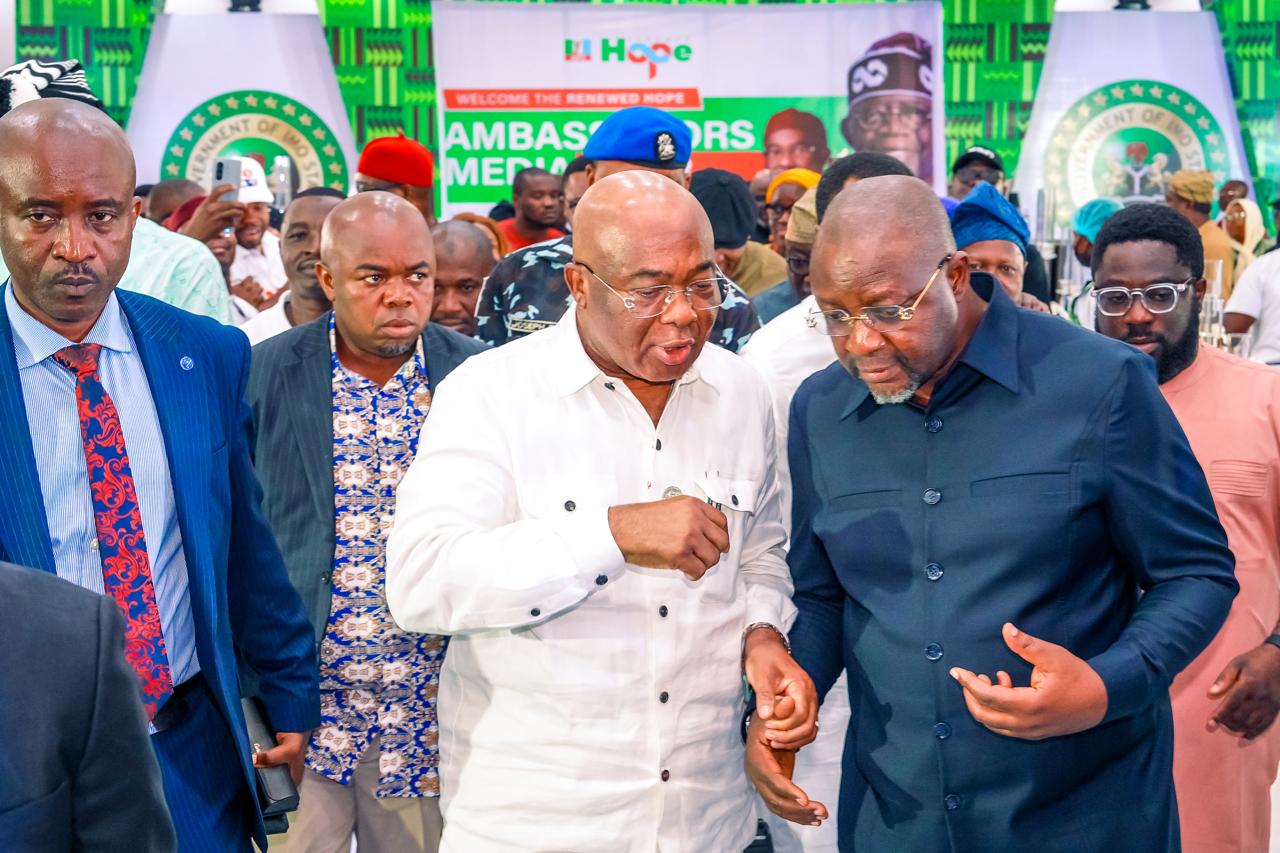
That broader picture unfolded during the Presidential Media Tour of Projects in Imo State, where journalists spent three days inspecting highways, hospitals, educational institutions, aviation facilities, digital infrastructure and urban renewal projects aimed at demonstrating the impact of President Bola Tinubu’s Renewed Hope Agenda.
The nationwide tour, organised by the Renewed Hope Ambassadors (RHA) in collaboration with the Presidential Media Team, was launched earlier this year to give journalists firsthand access to projects across the country.
Beginning in the North-West with inspections of sections of the Abuja-Kaduna-Kano Highway, the Kaduna-Kano-Maradi rail corridor and irrigation schemes in Jigawa and Kebbi states, the exercise later moved to the South-East before returning to complete the Imo leg ahead of its continuation in Kogi State.
Unlike a routine inspection, the tour sought to shift public conversation from official pronouncements to verifiable evidence. For participants, Imo presented an opportunity to examine how collaboration between the Federal Government and a state government is shaping infrastructure delivery across multiple sectors.
That partnership emerged as the defining feature of the state’s development story.
Across roads, healthcare, education, aviation and technology, projects inspected by the delegation reflected either direct Federal Government interventions, joint funding arrangements or state investments supported by broader national reforms.
For the Presidency, the projects illustrate how aligning state priorities with federal programmes can accelerate development.
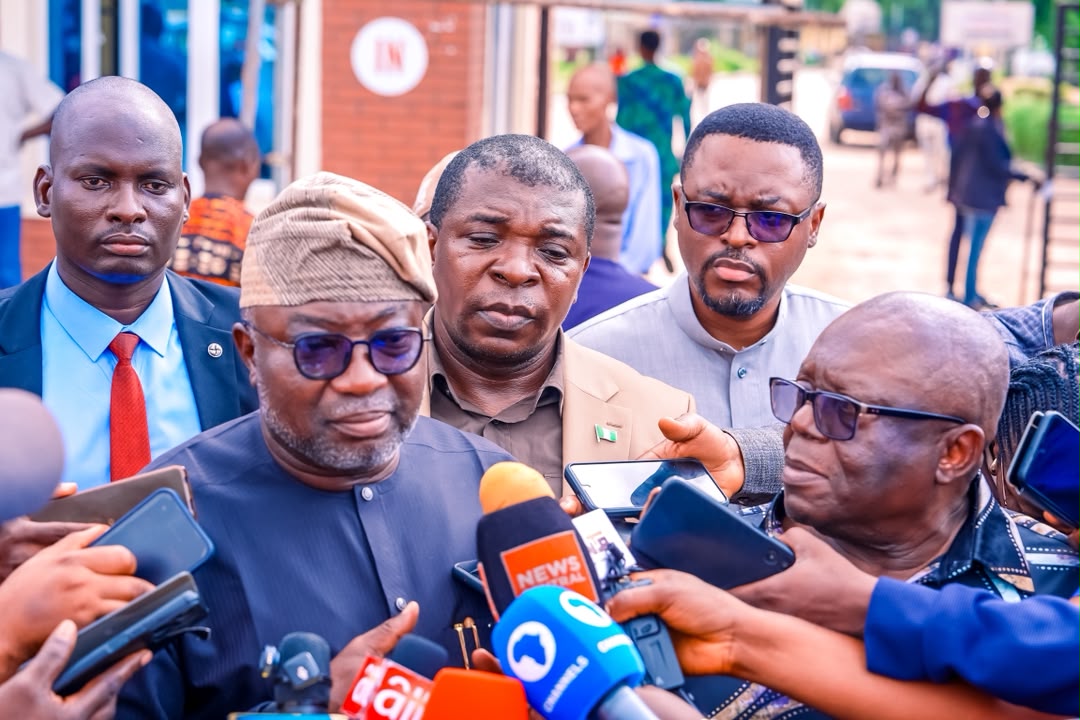
Senior Special Assistant to the President on Media and Special Duties, Tunde Rahman, described the projects as practical outcomes of the Renewed Hope Agenda, noting that collaboration between the Federal Government and states was beginning to yield visible results.
He cited the Nigerian Education Loan Fund (NELFund) as one of the administration’s flagship interventions, saying it had removed financial barriers that previously forced many students to abandon their education.
“For students benefiting from NELFund, they no longer need to abandon school simply because their parents cannot afford the cost. The government has shown clearly that when the Federal Government and state governments work together, the people benefit,” he said.
Rahman also linked the pace of development to recent fiscal reforms, arguing that increased allocations to states following the removal of fuel subsidy had strengthened their capacity to execute infrastructure projects.
That argument found echoes among state officials throughout the tour.
Imo State Commissioner for Information, Public Orientation and Strategy, Declan Emelumba, maintained that improved revenues, prudent management of public resources and cooperation with the Federal Government had enabled the state to undertake projects that were transforming transportation, healthcare, education and economic development.
Road infrastructure provided one of the clearest illustrations of that approach.
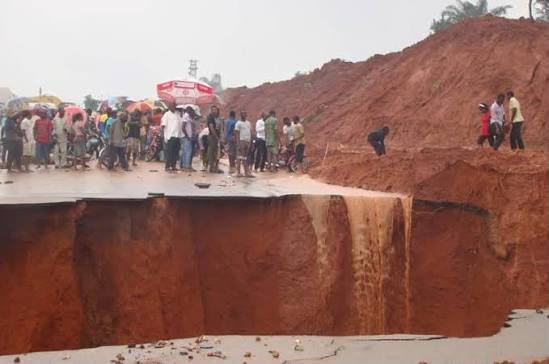
For years, the Orlu-Mgbee-Akokwa-Uga federal highway symbolised the devastating impact of erosion in the South-East. Massive gullies cut through the road, severing a strategic commercial corridor linking Imo and Anambra states and making movement of people and goods increasingly difficult.
Today, extensive reconstruction works have altered that landscape.
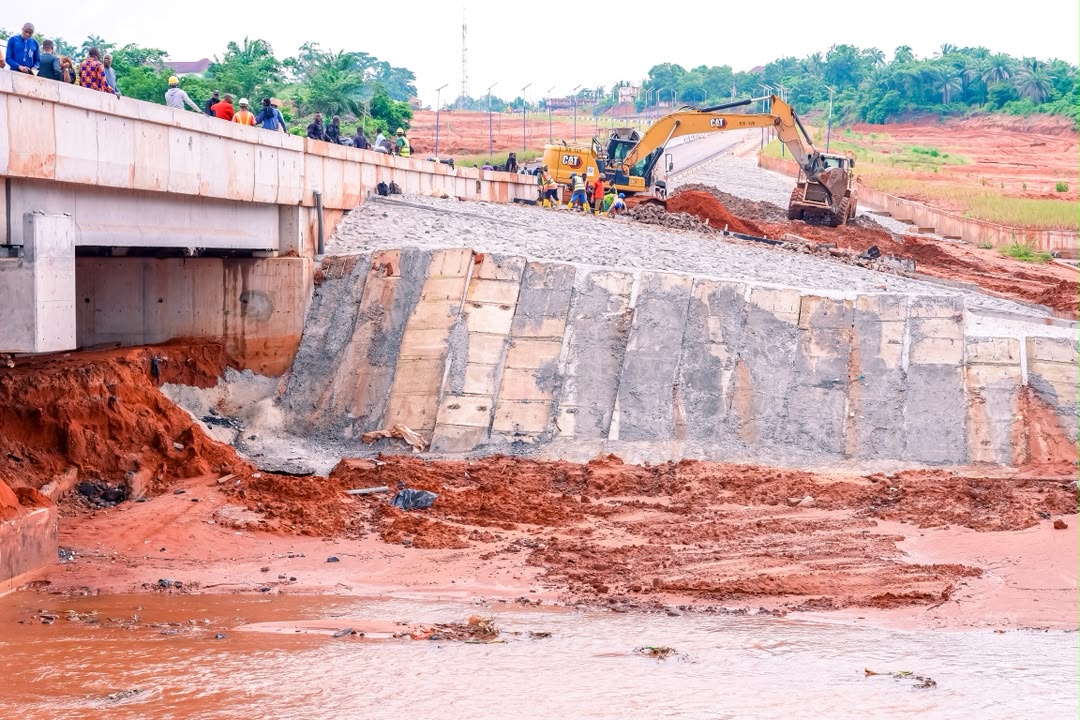
Beyond resurfacing the road, the project includes massive erosion reclamation, reinforced drainage systems, a concrete bridge and street lighting designed to provide a permanent solution to years of ecological damage.
By the time the media team visited, about 80 per cent of the project had been completed.
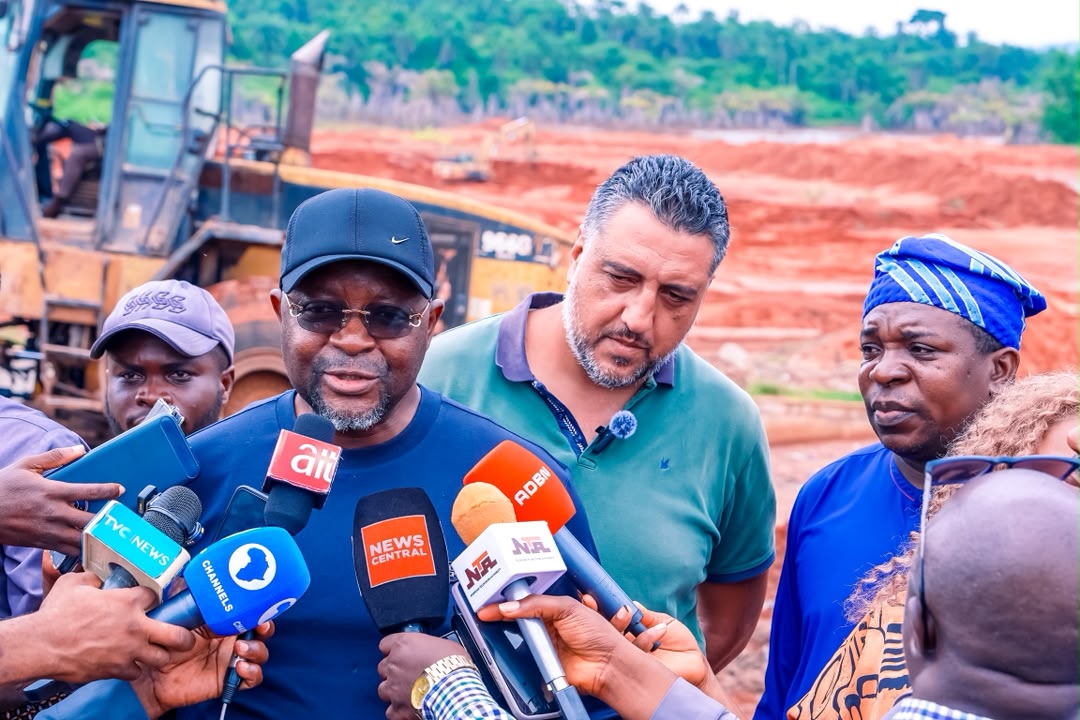
Special Adviser to the President on Media and Public Communications, Sunday Dare, described the road as a demonstration of how partnership between different levels of government could accelerate infrastructure delivery.
“The entire Imo side was completely cut off from Anambra. Today, what we are seeing is about 80 per cent completion of the road, and that will have massive economic implications for the South-East,” he said.
The project is particularly noteworthy because although it is a federal highway, the Imo State Government committed significant resources under a reimbursement arrangement with the Federal Government, arguing that its economic importance warranted immediate intervention.
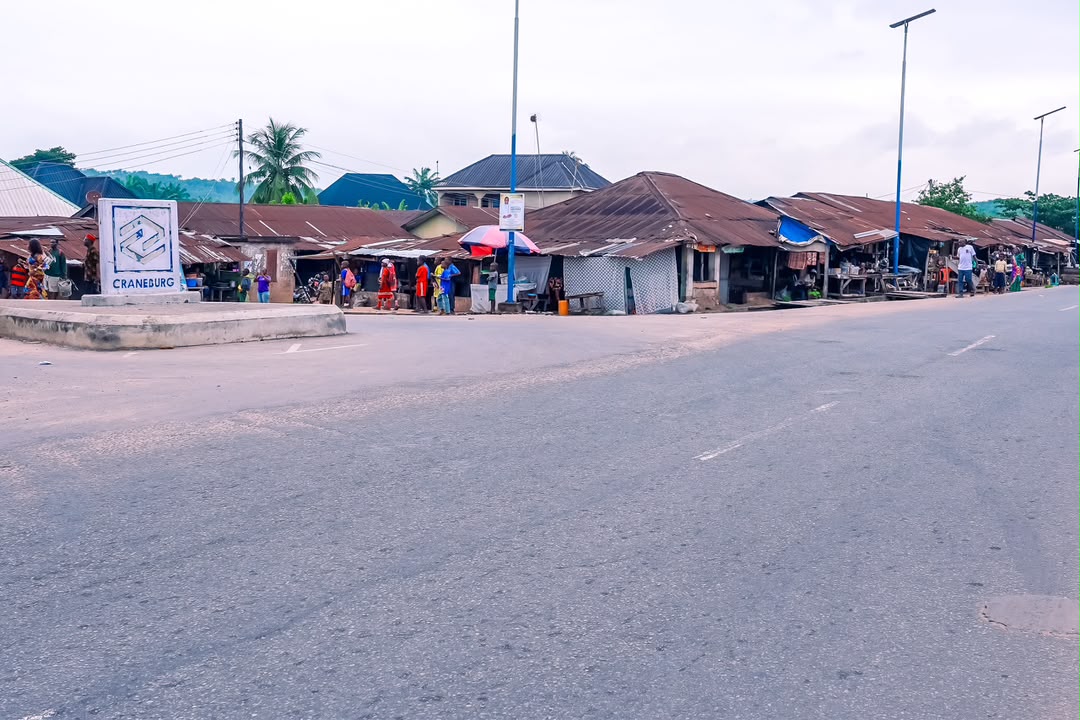
The same collaborative model is supporting reconstruction of other strategic federal roads, including the Owerri-Mbaise-Umuahia and Owerri-Okigwe corridors, restoring connectivity to communities and reducing travel time for commuters and farmers alike.
From transportation, the tour moved to healthcare, where another transformation is unfolding.
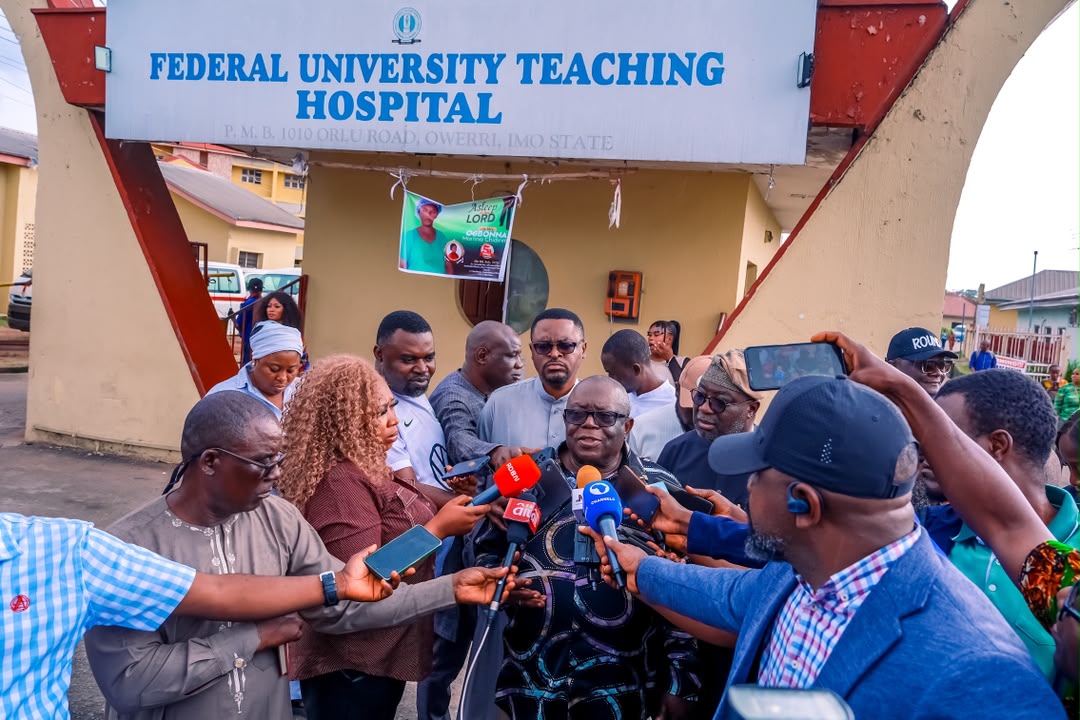
At the Imo State University Teaching Hospital in Orlu, years of underinvestment have gradually given way to modernisation.
Established in 2004, the institution had struggled with inadequate facilities, loss of specialist personnel and declining capacity.
Government intervention has since brought modern diagnostic equipment, expanded laboratory services, increased oxygen production capacity, solar-powered electricity and the recruitment of additional consultants.
Executive Assistant to the Chief Medical Director, Victor Samson, said the improvements had encouraged specialists to return while increasing patient confidence in the hospital.
He disclosed that more than 4,000 free surgeries had already been carried out through the state’s annual medical outreach programme.
Perhaps even more significant is the restoration of accreditation for the training of medical doctors, enabling students whose education had been disrupted to complete their programmes.
Adjacent to the teaching hospital, another healthcare investment is nearing completion.
The 200-bed Infectious Disease Centre, being developed through collaboration involving the Federal Government, the Nigerian National Petroleum Company Limited (NNPCL) and Seplat Energy, has reached about 85 per cent completion.
When operational, it is expected to become a specialist referral facility serving not only Imo but the wider South-East.
Education forms another important pillar of the collaboration.
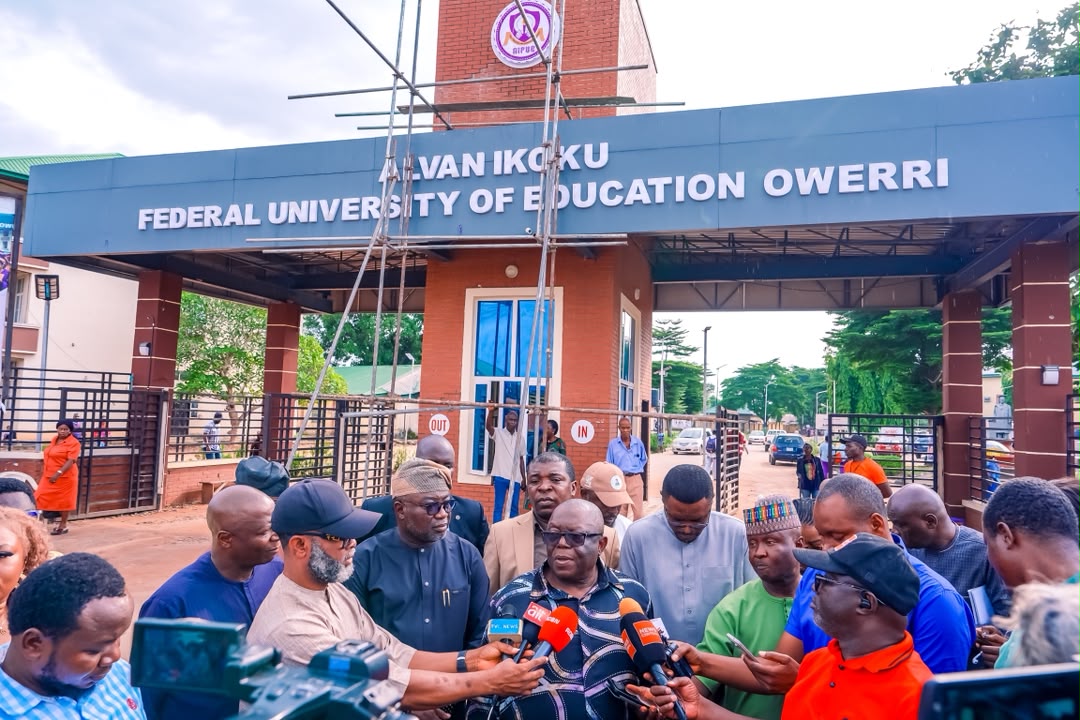
One of the Federal Government’s most celebrated interventions in the state is the conversion of Alvan Ikoku College of Education into the Federal University of Education.
For decades, successive administrations sought the upgrade without success.
Its approval under the Tinubu administration has expanded opportunities for higher education while creating additional employment and strengthening teacher education in one of Nigeria’s oldest institutions.
Federal support also extends to student financing through NELFund, a programme officials say is helping students remain in school despite growing economic pressures.
Yet, impressive as the roads, hospitals and educational reforms appeared, one project consistently captured the imagination of visitors more than any other.
Imo Digital City.
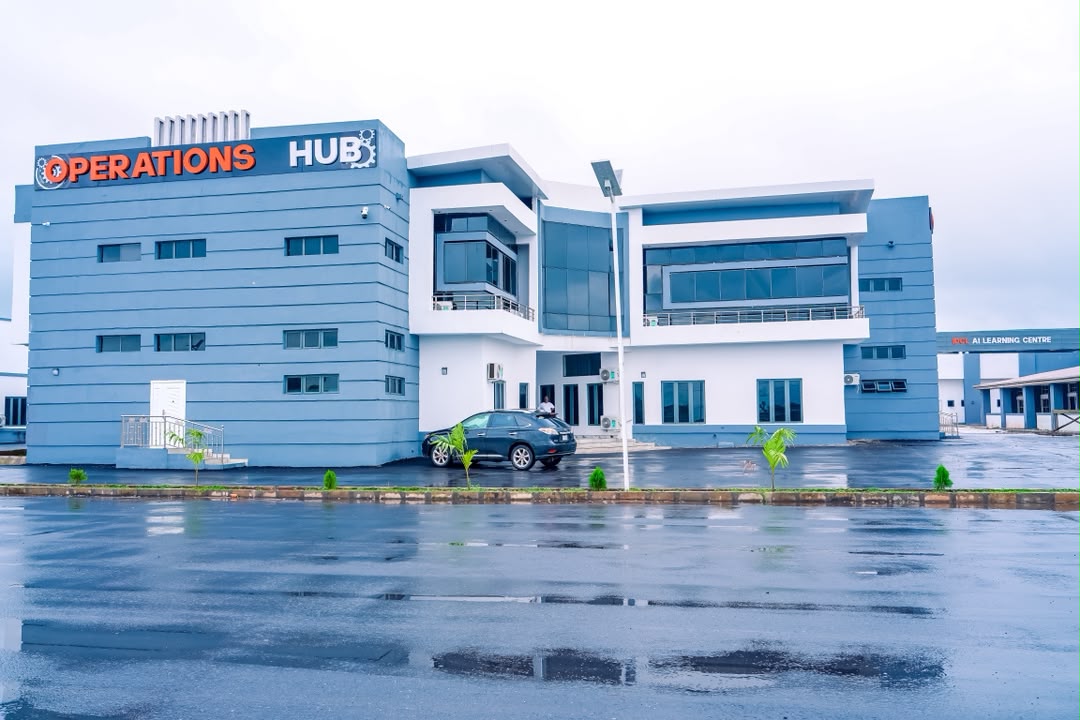
The sprawling complex is far more than a technology training centre.
It combines digital skills development, local manufacturing, innovation and entrepreneurship within one ecosystem designed to prepare young people for emerging industries.
More than 75,000 youths have already benefited from the state’s Skill Up Imo programme, receiving training in software engineering, artificial intelligence, cloud computing, cybersecurity, robotics and the Internet of Things.
Many have secured employment, established startups or developed technology solutions for businesses and government institutions.
Inside the complex, trainees assemble smartphones, feature phones, tablets, routers and computer monitors under the ImoSys brand, with the facility capable of producing up to 1,000 devices daily.
Beyond manufacturing, laboratories dedicated to robotics, drones and artificial intelligence expose young innovators to technologies increasingly shaping the global economy.
Private firms operating within the Digital City are already exploring the use of drones for telecommunications infrastructure inspection, logistics and security surveillance, while artificial intelligence is being deployed to improve operational efficiency across sectors.
The project has equally attracted investments estimated at about $15 million through partnerships involving the University of California, Berkeley, Cisco and other technology organisations.
Reflecting on the visit, Sunday Dare described the Digital City as the standout project of the entire Imo tour.
“When we got to the Imo Digital City, we all took a pause. I’m sure none of us has ever seen that kind of investment,” he said.
According to him, what distinguishes the facility is its integration of digital manufacturing, innovation, entrepreneurship and skills development in a manner that aligns with President Tinubu’s digital economy vision.
“It is a foresight that deserves credit. It shows clear thinking and shows the presence of mind that leaders must be ready for the challenges of the 21st century while providing the infrastructure young people need to innovate,” he added.
While the Digital City looks towards the future, another project seeks to strengthen Imo’s position in regional commerce.
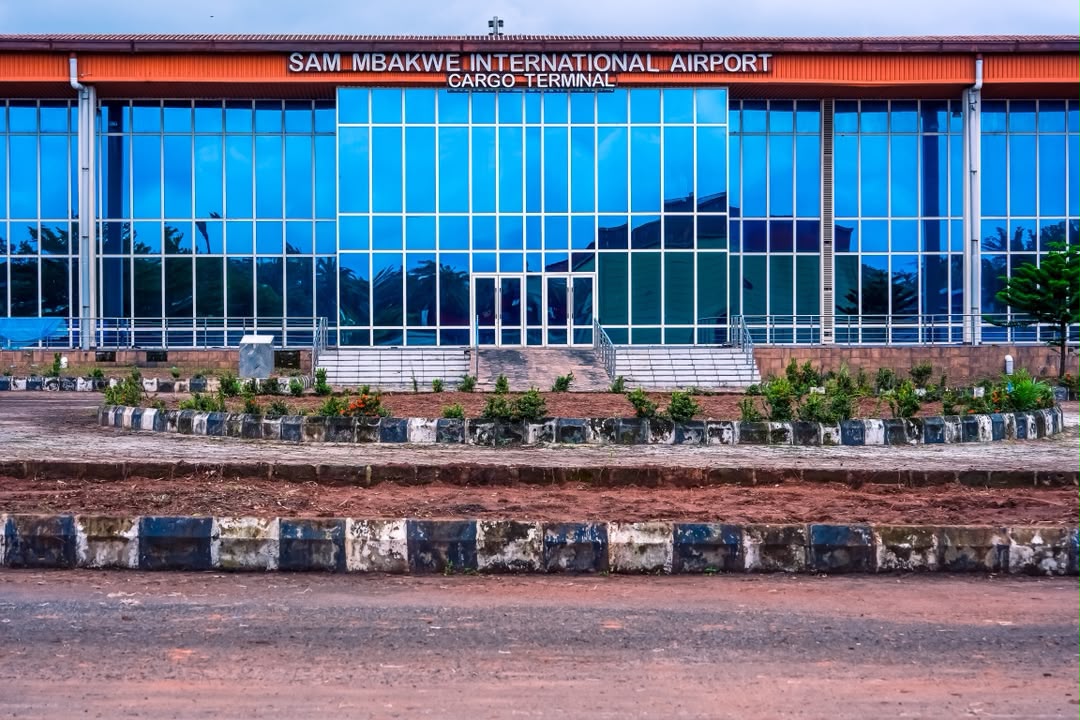
Expansion works at the Sam Mbakwe International Cargo Airport are extending the runway from 2,700 metres to 3,200 metres to accommodate wide-bodied aircraft and future international operations.
Alongside the runway is a cargo terminal equipped with warehouses and an Afreximbank-backed quality assurance centre designed to facilitate exports from the South-East.
State officials believe the project will lower logistics costs, stimulate agricultural exports and position Imo as a major logistics hub for the region.
The ambition to attract business and investment is also evident at the Emmanuel Iwuanyanwu International Convention Centre in Owerri.
Replacing a much smaller facility, the new convention centre features a 10,000-seat main auditorium alongside additional conference halls designed to host international conferences, exhibitions, concerts and other major events.
Beyond its architectural scale, the project reflects a strategy of diversifying the state’s economy through business tourism and the meetings industry.
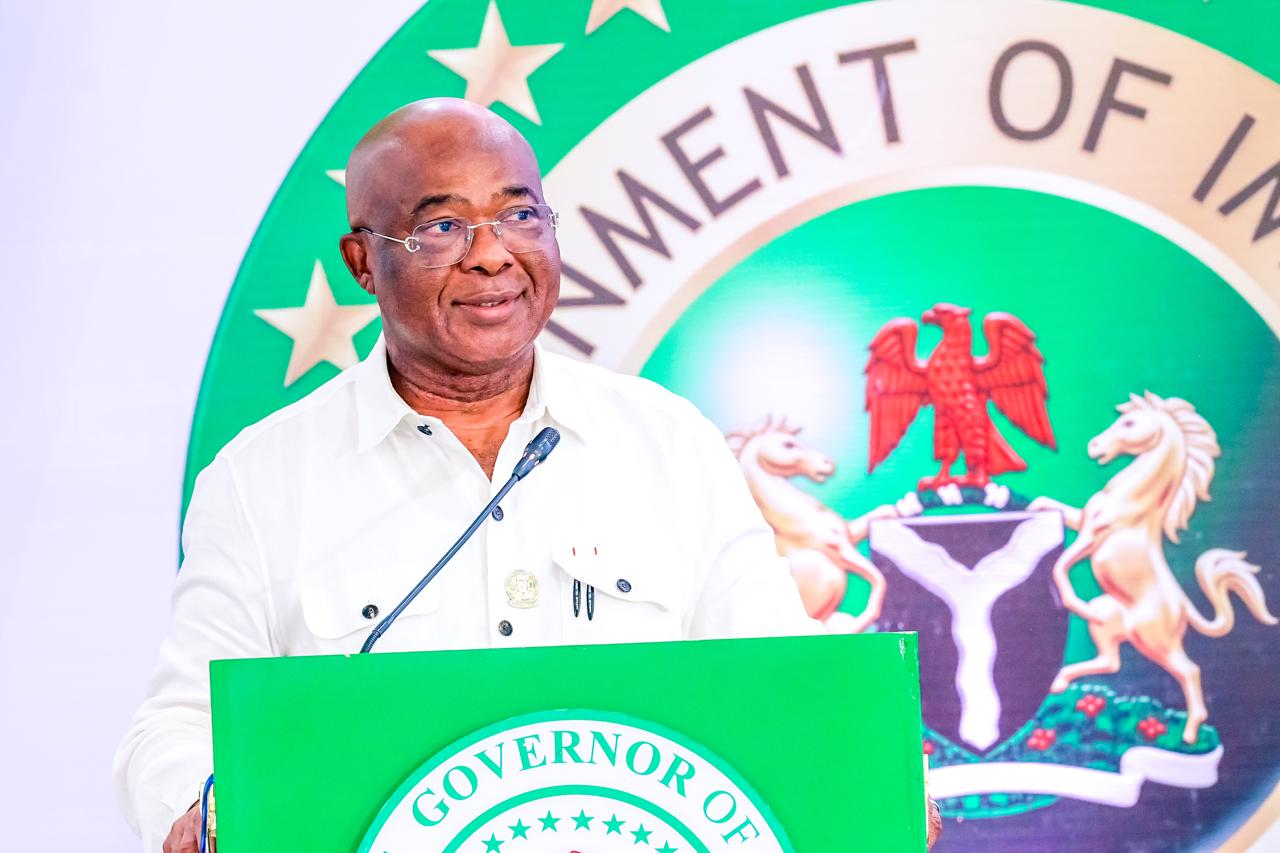
As the tour drew to a close at the Government House in Owerri, Governor Hope Uzodimma argued that the projects inspected across the state had become the strongest response to critics of the Federal Government’s economic reforms.
Rather than relying on campaign rhetoric, he said Nigerians should judge governments by visible improvements in infrastructure and public services, maintaining that the media tour had given journalists the opportunity to independently assess those claims.
The governor attributed the pace of development in Imo to reforms introduced by President Bola Tinubu, particularly the removal of fuel subsidy, which he said significantly increased the resources available to states for infrastructure and social investments.
On that basis, Uzodimma declared that the people of Imo had resolved to support Tinubu’s re-election in 2027, arguing that the projects showcased during the tour reflected the practical benefits of the administration’s policies.
He also likened the President’s reform agenda to the leadership of Singapore’s founding Prime Minister, Lee Kuan Yew, saying difficult economic decisions often yield long-term gains.
Taken individually, the projects inspected during the tour address different sectors and different needs.
Together, they suggest a development strategy built on integration.
Roads support agriculture, trade and healthcare.
Universities and student financing expand access to education.
Hospitals improve the quality of life while strengthening human capital.
Digital infrastructure prepares young people for industries of the future.
Airports and convention facilities create new economic opportunities.
Rather than existing as isolated interventions, the projects increasingly complement one another.
That interconnectedness perhaps best explains the significance of the Presidential Media Tour.
Its purpose extends beyond showcasing completed infrastructure.
It provides an opportunity to test government claims against physical evidence and to assess whether public investments are translating into measurable improvements in people’s lives.
In Imo, the evidence lies in highways reopened after years of neglect, hospitals regaining specialist accreditation, educational institutions expanding opportunities, a technology ecosystem nurturing innovation, and aviation infrastructure preparing the state for regional commerce.
Challenges remain.
Some projects are still under construction, while their long-term impact will depend on sustained funding, effective maintenance and policy continuity.
Nevertheless, the tour revealed a state attempting to build development not through isolated flagship projects but through complementary investments supported by collaboration between the Federal Government and the state.
As the delegation departed for the next leg of the nationwide tour, the overriding impression was that Imo’s development story is no longer defined solely by what government intends to do, but increasingly by what is already taking shape on the ground.
In that sense, the state’s emerging growth path offers a glimpse of what federal-state partnership can achieve when national reforms, local priorities and sustained investment converge toward a common goal.
📢 Follow National Periscope on WhatsApp
Get breaking news and updates directly on WhatsApp.
Join WhatsApp ChannelPost Disclaimer
All rights reserved. This material and other digital content on this website are not and do not represent the stance of National Periscope but the statements of newsmakers mentioned therein.
For your detailed news reportage... contact the Editor at Joel2oladele@gmail.com



Stray Bullet Kills 20-month-old Child in Imo A stray bullet Read more
APC Names Uzodimma to Lead National Convention’s 73-Member Committee JOEL Read more
Bleeding economy: Stakeholders want stiffer penalties for oil thieves Stakeholders Read more
[caption id="attachment_25471" align="alignnone" width="1080"] Nigerian filmmaker Dr Donald Oluchukwu Iheonunekwu[/caption] Read more