

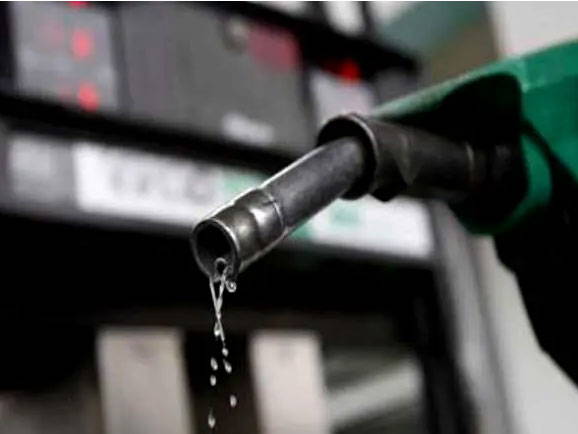
Petrol depot prices climbed to N1,900 per litre in Port Harcourt on Friday, raising concerns about further increases in the domestic market despite lower pump prices at some filling stations in Lagos.
NIPCO led the latest increases in Port Harcourt, raising its petrol price by N170 to N1,900 per litre from N1,730. Six other depots also increased their prices by N150 to the same level.
The increases coincided with gains in some international crude oil benchmarks. Brent crude rose to $104.50 per barrel from $104.28, while West Texas Intermediate (WTI), the US benchmark, climbed to $91.73 from $91.49.
African Terminal, Ascon, Eterna, Gulf Treasure, Ibachem and Ibeto also raised their petrol prices in Port Harcourt to N1,900 per litre from N1,750.
Duport and Integrated recorded smaller increases, moving their prices to N1,806 per litre from N1,750.
Depot prices also rose in Lagos, Calabar and Warri, although the increases varied across locations and operators.
In Lagos, Masters raised its price to N1,350 per litre from N1,303, while Matrix moved from N1,330 to N1,360. Sigmund and T.S.L increased their prices from N1,300 to N1,350, while NIPCO raised its rate from N1,326 to N1,350.
In Calabar, Matrix increased its petrol price to N1,370 per litre from N1,315. In Warri, Keonamex, Matrix, Nepal and Parker raised their prices to N1,360 from N1,315, while Optima moved from N1,330 to N1,360.
However, retail prices in Lagos remained below the rates charged by some independent marketers. The Nigerian National Petroleum Company Limited sold petrol at N1,360 per litre at its filling stations in Lagos and neighbouring areas.
MRS Oil Nigeria Plc sold the product at N1,338 per litre, while 11 Plc charged N1,338.80. Independent marketers sold petrol for between N1,368 and N1,400 per litre, depending on location.
Motorists buying from MRS and 11 Plc therefore paid less than customers patronising some independent outlets.
The contrasting prices highlight differences across the supply chain. While depot operators raised their rates in several cities, some retail outlets continued to sell below the prices charged by competing marketers.
The diesel market also recorded sharp increases, particularly in Warri. Rain Oil and Matrix raised their Automotive Gas Oil (AGO) prices by N180 per litre to N1,900 from N1,720.
In Port Harcourt, Dangote increased its diesel price to N1,720 per litre from N1,702, while Masters raised its rate to N1,825 from N1,788.
The higher diesel prices could increase operating expenses for manufacturers, transport operators and businesses that depend on diesel for electricity generation and transportation. A sustained rise could place additional pressure on production and distribution costs.
International oil prices recorded mixed movements during the period. The Organisation of the Petroleum Exporting Countries (OPEC) Basket rose to $109.50 per barrel from $108.59, while WTI Midland increased to $92.74 from $92.32.
Natural gas prices also climbed to $3.235 from $3.168. However, Murban crude fell to $108.50 per barrel from $110.49.
Prices of some refined products declined. Gasoline dropped to $3.293 from $3.316, while heating oil fell to $4.724 from $4.883. The Indian Basket, however, rose to $121.10 per barrel from $117.63.
The mixed movements suggest that crude oil gains alone may not explain the latest increases in Nigerian depot prices. Replacement costs, supply conditions, transportation expenses and individual marketers’ pricing decisions may also affect domestic rates.
Speaking to Vanguard, the Chief Executive Officer of Petroleumprice.ng, Olatide Jeremiah, said the downstream market would continue to respond to developments in the international oil market despite domestic challenges.
“Despite domestic issues and development in Nigeria, the downstream sector would continue to respond or react to developments at the global oil market,” Jeremiah said.
With petrol reaching N1,900 per litre at several Port Harcourt depots and diesel hitting the same level in Warri, the latest increases point to continuing price pressures in Nigeria’s downstream petroleum market.
The widening differences between depot and retail prices also show how costs vary across locations and operators, leaving motorists and businesses exposed to changing fuel prices.
Source: Vanguard
📢 Follow National Periscope on WhatsApp
Get breaking news and updates directly on WhatsApp.
Join WhatsApp ChannelPost Disclaimer
All rights reserved. This material and other digital content on this website are not and do not represent the stance of National Periscope but the statements of newsmakers mentioned therein.
For your detailed news reportage... contact the Editor at Joel2oladele@gmail.com





The Federal Government on Monday began talks with the Dangote Read more
Dangote Refinery secures permit to refine over 300,000 Barrels The Read more
Subsidy removal: Petrol import crashes by 990million litres monthly The Read more
Tinubu encouraged me to start refinery— Dangote Following the successful Read more