

The Tertiary Education Trust Fund (TETFund) has urged universities and other tertiary institutions to partner with private investors to address infrastructure deficits, particularly the shortage of student accommodation across campuses.
The Fund said fewer than half of students in Nigerian tertiary institutions currently live on campus, exposing many to security risks associated with travelling long distances to attend lectures and access academic facilities.
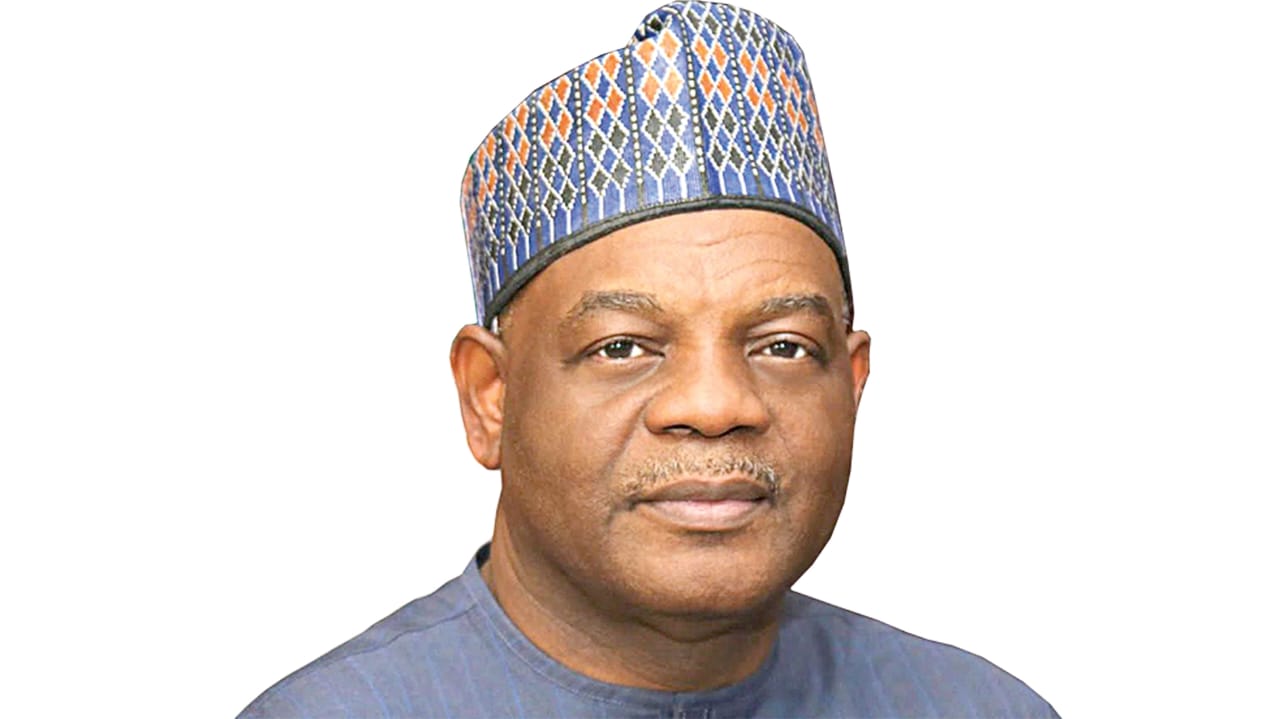
TETFund Executive Secretary, Arc. Sonny Echono, disclosed this on Wednesday in Abuja during a strategic meeting with heads of beneficiary institutions, chairmen of governing councils and bursars.
He said the Fund was exploring different approaches to expand student accommodation, including direct hostel construction and partnerships with private investors.
Echono expressed concern that many students had to travel considerable distances to attend evening lectures, conduct research and use academic facilities outside regular school hours.
He explained that the proposed public-private partnership (PPP) framework would enable institutions to develop additional hostels without bearing the entire financial burden of construction and management.
Under the arrangement, institutions would provide land within their campuses, while TETFund would provide counterpart funding and private-sector partners would undertake the development and management of the facilities.
“Your requirement is to make the land available on your campus. Full stop,” he said, urging university administrators and governing councils to embrace the initiative.
The Executive Secretary expressed concern over the lukewarm response from some institutions, describing the programme as an opportunity that deserved greater commitment from university authorities.
He added that the partnership model could extend beyond student accommodation to other commercially viable projects, including shopping centres, pharmacies, agricultural ventures and essential services.
According to him, such investments would improve campus life while providing institutions with additional revenue streams.
Echono said rising construction costs, inflation and global economic uncertainties had made alternative funding arrangements increasingly necessary.
He noted that higher prices of building materials and other economic pressures continued to affect project estimates, implementation schedules and the delivery of TETFund-funded interventions.
Beyond physical infrastructure, the Executive Secretary urged tertiary institutions to accelerate the adoption of digital education to improve teaching, research and learning.
He expressed dissatisfaction with the slow utilisation of the Fund’s digital learning platform, TERAS, noting that many beneficiary institutions had yet to maximise its potential.
He explained that the platform would support flexible and hybrid learning arrangements, allowing students to attend lectures and access academic resources remotely.
“We should embrace technology and not fear it,” Echono said, urging university managements and governing councils to strengthen the digital capacity of lecturers and students.
He disclosed that TETFund expected more than 60 per cent of academic staff in beneficiary institutions to acquire the skills required to deliver teaching and learning through digital platforms.
Echono also called for a more constructive approach to artificial intelligence, urging universities to manage its risks while taking advantage of its benefits.
Although he acknowledged concerns about students using AI tools for academic misconduct, he maintained that institutions should establish safeguards rather than reject the technology.
The TETFund boss further disclosed that the Fund was moving its intervention processes to digital platforms after giving beneficiary institutions time and support to adjust.
He said the Fund had organised capacity-building programmes and provided access to extensive digital learning resources, including more than 400 libraries, to strengthen academic activities across beneficiary institutions.
He urged lecturers, researchers and students to make effective use of the available facilities, warning that failure to utilise them would amount to a waste of public resources.
“If you don’t use it, it is a waste of our national resource,” he warned.
Echono said the annual strategic meeting provided an opportunity to assess the implementation of existing interventions, review institutional performance and identify priorities for the following year.
He explained that the engagement, usually held between October and November, also allowed beneficiary institutions to identify challenges and recommend adjustments to ongoing programmes.
He stressed the need for constructive working relationships between governing councils and principal officers, particularly in procurement and the execution of TETFund-sponsored projects.
Meanwhile, the National Universities Commission (NUC) commended TETFund for its sustained contributions to university education, urging beneficiary institutions to ensure transparency and accountability in the management of intervention funds.
The NUC Executive Secretary, Prof. Abdullahi Ribadu, represented by the Director of Research and Innovation, Mallam Faruk Mohammed, acknowledged the Fund’s role in strengthening the university system.
He urged institutions to prioritise students’ safety, improve accommodation and ensure that intervention funds translated into measurable improvements in educational quality.
Similarly, the President of the Academic Staff Union of Universities (ASUU), Prof. Chris Piwuna, acknowledged TETFund’s contributions to teaching and learning across the country’s tertiary institutions.
However, he expressed reservations about some ongoing reforms introduced by the Federal Ministry of Education, arguing that certain policies appeared not to have undergone adequate scrutiny before implementation.
Piwuna particularly questioned the policy allowing Colleges of Education to award both the Nigeria Certificate in Education (NCE) and degree qualifications.
He expressed doubts about the preparedness and institutional capacity of some colleges to operate the dual mandate effectively.
The ASUU president warned that inadequate planning and institutional support could undermine the policy and eventually lead to its reversal.
He therefore urged education policymakers to subject proposed reforms to thorough assessment and ensure that institutions possessed the necessary capacity and resources before implementation.
The meeting featured technical presentations and interactive discussions involving heads of relevant education agencies and a representative of the Permanent Secretary of the Federal Ministry of Education.
📢 Follow National Periscope on WhatsApp
Get breaking news and updates directly on WhatsApp.
Join WhatsApp ChannelPost Disclaimer
All rights reserved. This material and other digital content on this website are not and do not represent the stance of National Periscope but the statements of newsmakers mentioned therein.
For your detailed news reportage... contact the Editor at Joel2oladele@gmail.com






Sexual harassment trial: Court reserves ruling on motion to release Read more
[caption id="attachment_20915" align="alignnone" width="1080"] Enitonna High School Alumni Association logo[/caption] Read more
Woman accused of false testimony meets Pastor Enenche, says no Read more
NYSC to mobilise 103,000 corps members for 2024 stream 2 Read more