

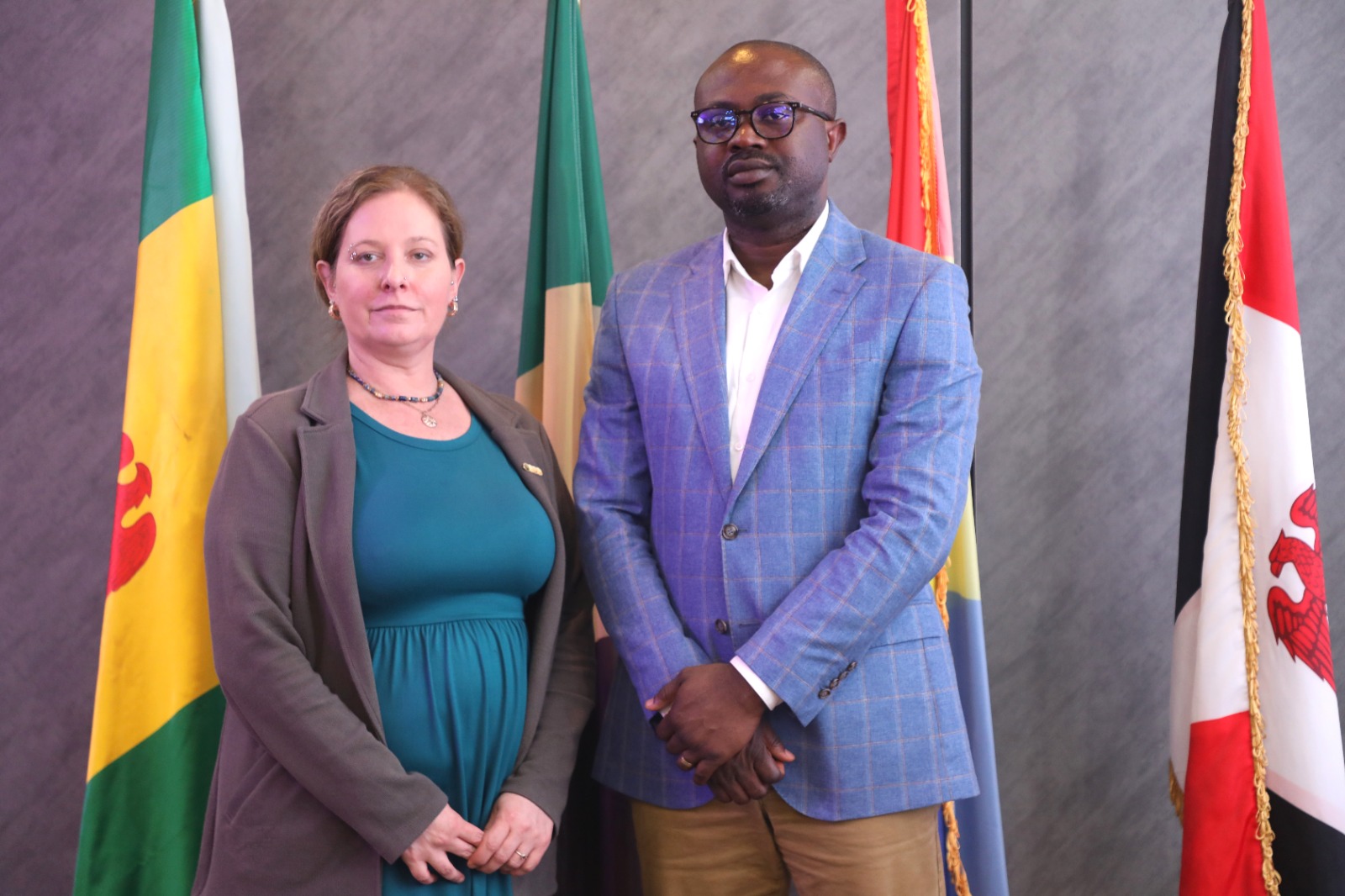
The Federal Government has entered into a partnership with the Integrated Border Security Network (IBSN) to strengthen Nigeria’s border management through improved institutional capacity, specialised training, equipment and regional cooperation.
The Minister of Interior, Dr Olubunmi Tunji-Ojo, gave the indication when a delegation of the network, led by its Coordinator, Sarah Elizabeth Crawford, visited the ministry in Abuja.
Tunji-Ojo described the initiative as a timely intervention that aligns with the government’s efforts to strengthen border governance and respond to emerging security challenges.
He assured the delegation of the ministry’s commitment to working with the network, stressing that effective collaboration would help address existing gaps in the country’s border security architecture.
The minister said the ongoing joint baseline assessment would help determine Nigeria’s actual needs, particularly in personnel training, equipment and institutional development.
He noted that improving border security required more than training security personnel, adding that government must also strengthen the institutions responsible for managing and securing the country’s borders.
Tunji-Ojo disclosed that Nigeria was developing a National Border Strategy in partnership with the International Organization for Migration (IOM).
He said the proposed strategy would provide a five-year framework for improving border management and positioning Nigeria to make a stronger contribution to regional security.
Earlier, Crawford said IBSN operated across nine West African countries with the support of six international partners, including Germany, Italy, the United States, Canada, the United Kingdom and the Netherlands.
She also identified INTERPOL among the agencies supporting the network’s efforts to improve border security across the region.
According to her, IBSN seeks to strengthen cooperation among countries, improve resource allocation and prevent duplication of existing border security programmes.
Crawford explained that the baseline assessment currently underway in Nigeria would establish the country’s specific requirements and guide the development of a three-year strategic roadmap for the region.
She also raised concerns about the growing trend of importing precursor chemicals for local drug production, describing it as an emerging threat that requires closer attention from security agencies.
The IBSN coordinator said tackling the challenge would require specialised training, improved intelligence sharing and stronger international cooperation.
Responding, Tunji-Ojo welcomed the proposed areas of cooperation and expressed confidence that the partnership would produce practical results in strengthening Nigeria’s border institutions.
He said the forthcoming stakeholder meeting to review the baseline assessment would provide clearer direction for the collaboration and help determine priority areas for intervention.
📢 Follow National Periscope on WhatsApp
Get breaking news and updates directly on WhatsApp.
Join WhatsApp ChannelPost Disclaimer
All rights reserved. This material and other digital content on this website are not and do not represent the stance of National Periscope but the statements of newsmakers mentioned therein.
For your detailed news reportage... contact the Editor at Joel2oladele@gmail.com







80 Tanker Crashes Claim 555 Lives in 5 Years – Read more
Zulum Fires Commissioners, Dissolves Executive Council [caption id="attachment_19638" align="alignnone" width="253"] Read more
JOEL OLADELE, Abuja [caption id="attachment_20978" align="alignnone" width="598"] PTAD logo[/caption] The Read more
[caption id="attachment_24341" align="alignnone" width="734"] Special Assistant on Digital and Public Read more