

Iran Reopens Key Oil Route After Ceasefire Deal With US
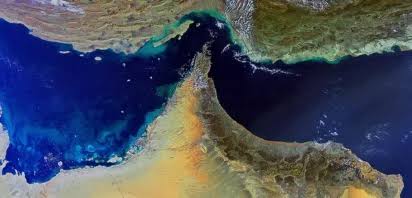
Iran has agreed to reopen the strategic Strait of Hormuz after a month-long blockade that rattled global energy markets, following a two-week ceasefire announcement by Donald Trump aimed at easing tensions in the Middle East.
The narrow waterway, which connects the Persian Gulf to the Gulf of Oman, is regarded as one of the world’s most critical energy corridors, handling a significant share of global oil shipments and liquefied natural gas exports. Its closure in recent weeks had sent fuel prices soaring across international markets.
Under the temporary arrangement, Iran said safe passage through the strait would resume for an initial two-week period, subject to coordination with its armed forces and certain operational considerations. The announcement was made by the country’s Foreign Minister, Abbas Araghchi, shortly after Washington signalled a pause in hostilities.
The breakthrough followed mediation efforts led by Pakistan’s Prime Minister, Shehbaz Sharif, whose intervention helped secure a fragile truce between the long-standing adversaries.
Tehran maintained that its decision to ease restrictions on the waterway was tied to a halt in military actions by the United States and its allies. “If attacks against Iran are halted, our powerful armed forces will cease their defensive operations,” Araghchi said.
Earlier, Trump had issued a stark warning, setting a deadline for Iran to reopen the strait and cautioning of severe consequences if it failed to comply. However, in a post on social media, the US leader confirmed a pause in planned military strikes, describing the move as part of a “double-sided ceasefire” intended to create room for a broader peace agreement.
He noted that both sides had made significant progress in negotiations, adding that a 10-point proposal submitted by Iran could serve as a foundation for a lasting resolution to the crisis.
Iran’s Supreme National Security Council, however, stressed that the ceasefire does not signal the end of hostilities. The council said a permanent resolution would depend on Washington accepting key elements of its framework, with further details to be ironed out during negotiations.
While the United States and Iran appeared to be moving towards de-escalation, there was no immediate response from Israel, a key player in the conflict since it erupted in late February.
Sharif, in a separate statement, declared that the ceasefire takes immediate effect across all theatres of the conflict, including Lebanon, expressing optimism about the prospects for peace.
Formal talks are expected to begin in Islamabad on April 10, where negotiators will attempt to finalise terms for a comprehensive agreement.
📢 Follow National Periscope on WhatsApp
Get breaking news and updates directly on WhatsApp.
Join WhatsApp ChannelPost Disclaimer
All rights reserved. This material and other digital content on this website are not and do not represent the stance of National Periscope but the statements of newsmakers mentioned therein.
For your detailed news reportage... contact the Editor at Joel2oladele@gmail.com




Putin wins landslide reelection in predetermined vote Russian President Vladimir Read more
Federal Judge Blocks Trump’s Birthright Citizenship Order Nationwide According to Read more
[caption id="attachment_26354" align="alignnone" width="1280"] Ebola[/caption] Kenya has recorded its first Read more
[caption id="attachment_26101" align="alignnone" width="980"] First Morocco female Prime Minister, Fatima Read more