

The Federal Government is planning to regulate internet access for children below 16 years as part of measures to strengthen their protection against cyberattacks and other online threats.
The Minister of Education, Dr Tunji Alausa, disclosed this on Thursday in Abuja at the official launch of the Initiative for Zero-Rated Access to Educational Platforms and Content in Nigeria, organised by the Nigerian Communications Commission (NCC).
Alausa said the proposed regulation was part of the government’s wider effort to protect the dignity and wellbeing of Nigerian children as the country expands the use of digital technology in education.
He said the government was conscious that greater internet access, while creating opportunities for learning, also exposed children to risks that required stronger safeguards.
The minister announced that further details of the planned measures would be provided by the relevant security authorities in the coming days or weeks.
He said the government was determined to ensure that children benefited from digital opportunities without being exposed unnecessarily to cyber threats and other forms of online harm.
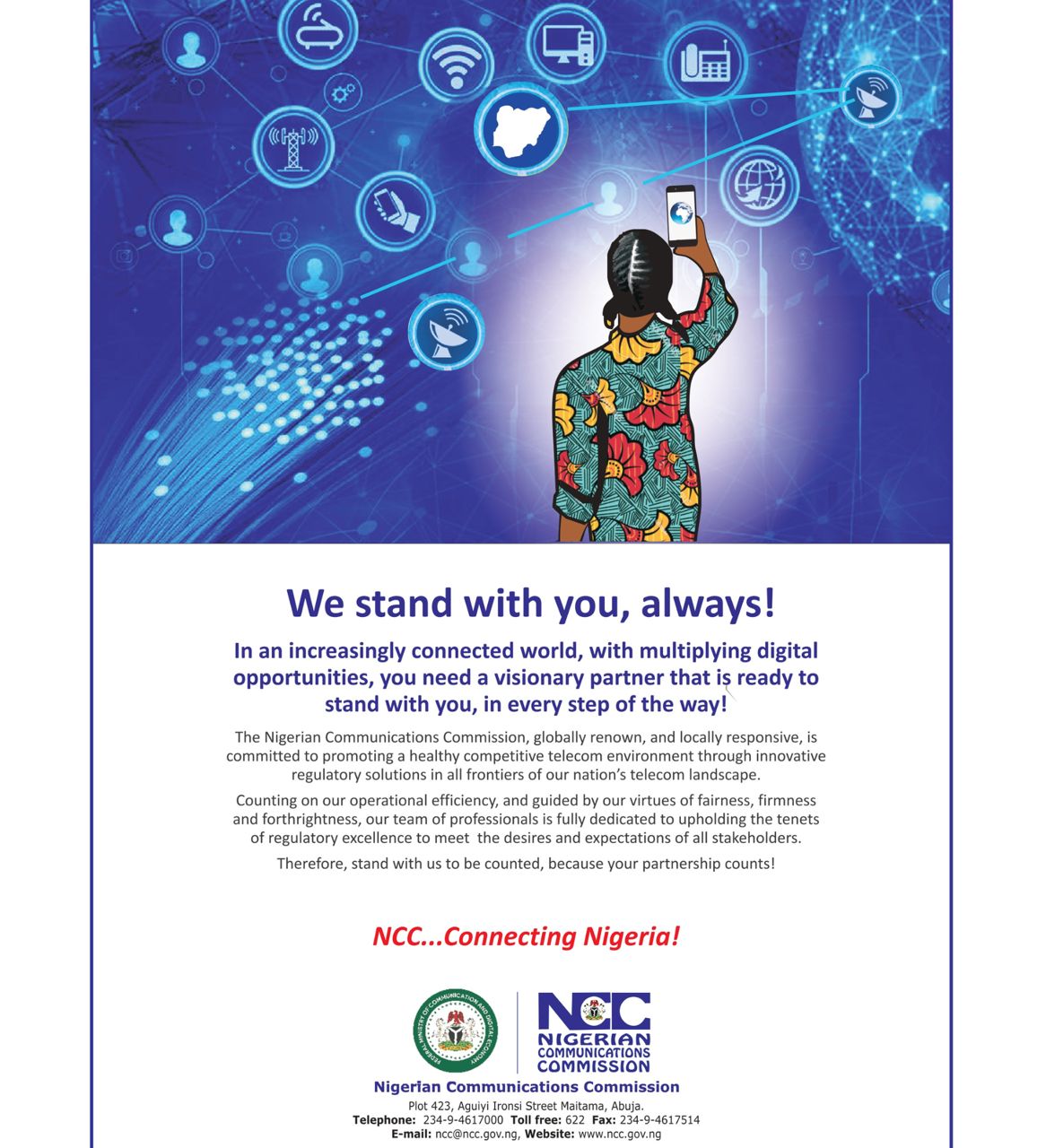
The announcement came as the Federal Government launched a zero-rated education initiative designed to remove data costs from access to approved educational platforms and content for millions of Nigerian learners.
The programme, which is expected to commence on October 1, 2026, will initially target senior secondary and tertiary students, with about five million eligible learners expected to receive 100 megabytes of free data daily.
Alausa said the digital education programme and measures to protect children online must develop together, particularly as technology becomes increasingly important to learning.
He noted that connectivity was now becoming as important to education as classrooms, textbooks and laboratories.
According to him, the Federal Ministry of Education’s digitalisation drive is being implemented through the Nigeria Education Sector Renewal Initiative, supported by education data systems designed to improve planning and service delivery.
He disclosed that more than 240,000 schools had been geomapped and geolocated, while the ministry was developing digital systems capable of providing information on schools, teachers, learners and infrastructure.
Alausa said digital access should ultimately help narrow inequality rather than deepen it, with children in rural communities and those living with disabilities able to benefit from quality learning resources.
He also stressed that educational platforms covered by the zero-rating initiative must be credible, safe and aligned with Nigeria’s educational objectives and curricula.
The NCC Executive Vice Chairman and Chief Executive Officer, Dr Aminu Maida, said the initiative was intended to connect learners with knowledge rather than merely provide connectivity.
He said affordable access to digital learning could improve human capital development, stimulate innovation and contribute to economic growth.
The initiative is estimated to provide about N180 billion worth of data annually based on the 100MB daily allocation to five million students.
Alausa said the scale of the intervention demonstrated the importance of connectivity to Nigeria’s education and human capital development goals.
The Minister of Communications, Innovation and Digital Economy, Dr Bosun Tijani, represented by the Director, National Frequency Management Council Secretariat, Engr Adeyemo Adetunji Olugbenga, pledged continued support for the programme.
The Chairman, House Committee on Communications, Peter Akpatason, also commended the NCC, while the Chairman, Senate Committee on Tertiary Institutions and TETFund, Senator Mohammed Muntari Dandutse, stressed the need to ensure that Nigerian children were not excluded from educational opportunities.
Alausa said the government would continue to work with the NCC, telecommunications operators, educational institutions and other stakeholders to expand digital learning while ensuring that children were adequately protected in the online environment.
📢 Follow National Periscope on WhatsApp
Get breaking news and updates directly on WhatsApp.
Join WhatsApp ChannelPost Disclaimer
All rights reserved. This material and other digital content on this website are not and do not represent the stance of National Periscope but the statements of newsmakers mentioned therein.
For your detailed news reportage... contact the Editor at Joel2oladele@gmail.com







Another ASUU strike looms as union rejects Tinubu's list of Read more
Law Students’ Association urges Tinubu to restructure World Bank loans Read more
The Federal Government has approved a major shift towards practical Read more
Minister of Education, Dr. Tunji Alausa, has urged schools to Read more