

JOEL OLADELE, Abuja
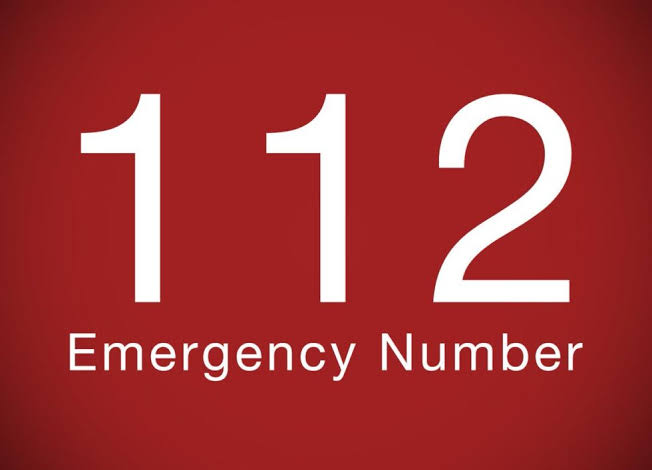
Nigeria is set to operate a unified emergency communication system following the adoption of 112 as the country’s official emergency number by the National Economic Council (NEC), with the Nigerian Communications Commission (NCC) tasked to lead its implementation.
The decision was taken at the council’s 157th meeting chaired by Vice President Kashim Shettima, signalling a renewed push to streamline emergency response services through a coordinated, technology-backed framework.
Under the arrangement, the NCC will work alongside the Office of the Vice President to head a multi-agency committee responsible for harmonising emergency communication systems across federal, state and local levels. The aim is to eliminate duplication, reduce delays, and ensure a faster, more reliable response to emergencies nationwide.
The adoption of a single emergency number is expected to replace the patchwork of existing lines with a centralised system that is easier for citizens to access, bringing Nigeria in line with international standards in emergency telecommunications.
Addressing council members, Shettima stressed that the reform goes beyond infrastructure, framing it as a critical measure to safeguard lives. “This is not only a technical reform. It is a test of the state’s humanity,” he said, noting that inefficiencies in emergency response often have fatal consequences.
Although the 112 number already exists within Nigeria’s telecom network, officials said the priority now is to ensure full coordination among agencies, standardise operations, and drive public awareness. The NCC is expected to play a central role in achieving these objectives.
Telecom operators are to collaborate with the commission to guarantee seamless access to the emergency line nationwide. This includes integrating the system with call centres, location-tracking technology, and dispatch units covering police, fire, and medical services.
Analysts say the initiative represents a major step in strengthening public safety infrastructure, with the potential to significantly improve response times during crises.
At the same meeting, the council reviewed ongoing efforts to rehabilitate police training institutions across the country. It commended an ad hoc committee led by Peter Mbah and urged the Ministry of Finance to fast-track the release of pending funds to sustain the programme.
The council also directed that the rehabilitation exercise be fairly distributed across all geopolitical zones in its initial phase.
📢 Follow National Periscope on WhatsApp
Get breaking news and updates directly on WhatsApp.
Join WhatsApp ChannelPost Disclaimer
All rights reserved. This material and other digital content on this website are not and do not represent the stance of National Periscope but the statements of newsmakers mentioned therein.
For your detailed news reportage... contact the Editor at Joel2oladele@gmail.com







Fraudsters now exploit QR codes, NITDA warns Nigerians The National Read more
The Federal Government has approved the acquisition and deployment of Read more
NCC moves against unauthorised use of 5.4GHz The Nigerian Communications Read more
MTN Increases Data, SMS Price As Telcos Implement Approved 50% Read more