

•Minister Tells VCs To End Reliance On Government Allocations
•Insists Tinubu’s Funding Reforms Open Fresh Opportunities For Varsities
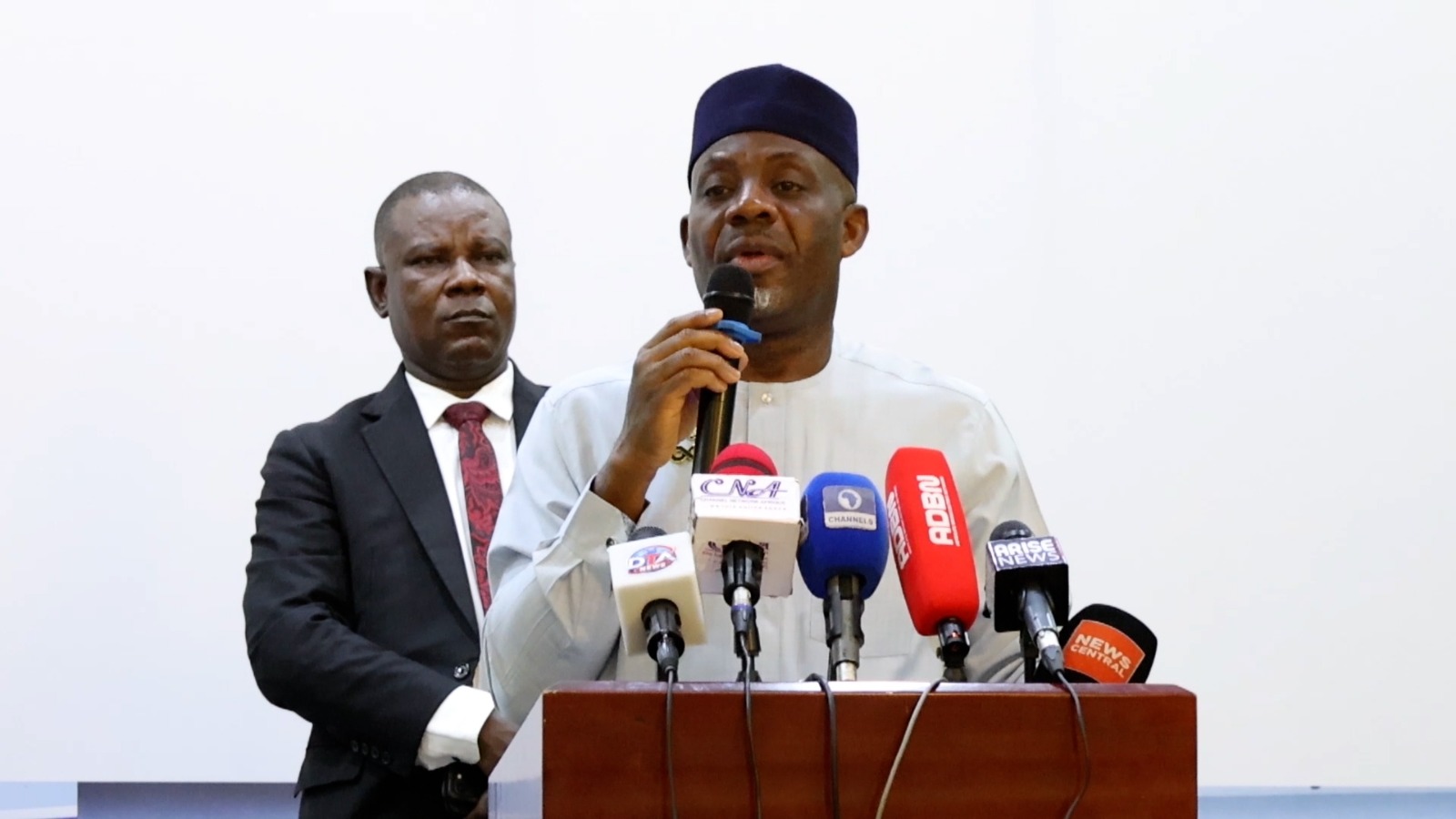
The Minister of Education, Dr. Maruf Tunji Alausa, has disclosed that more than 95 per cent of Nigeria’s federal universities are yet to make meaningful use of alternative funding sources.
Alausa said only four of the 68 federal universities currently take advantage of opportunities such as research grants, endowments, alumni giving, philanthropy and industry partnerships.
He made the disclosure at the National Advancement Forum 2026, where he challenged Vice-Chancellors to reduce their reliance on government allocations.
The minister said universities must become more proactive in attracting resources to support research, infrastructure and academic development.
“Government funding is not enough. Universities live, function and excel on blended funding,” Alausa said.
He urged Vice-Chancellors to move beyond administering allocated funds and actively build relationships with alumni, businesses, philanthropists and research organisations.
According to him, universities can leverage their intellectual capital to attract funding for laboratories, scholarships, research chairs and innovation programmes.
Alausa stressed that the push for alternative financing does not amount to a withdrawal of government support.
He said the administration of President Bola Ahmed Tinubu had continued to invest in education through budgetary allocations, infrastructure and other interventions.
The Federal Government, he added, currently covers personnel costs in full. Universities also retain 75 per cent of their internally generated revenue.
They further receive funding through the Tertiary Education Trust Fund, TETFund, among other government interventions.
Alausa said these measures provide universities with a strong foundation to develop additional and sustainable funding streams.
To improve resource mobilisation, the minister directed all university Advancement Offices to report directly to Vice-Chancellors instead of Registrars.
He also directed that Directors of Advancement should serve for a minimum of five years. The arrangement, he said, would enable them to build lasting relationships with donors and other funding partners.
“Advancement Office operation is a professional job,” Alausa said, stressing the need to treat fundraising as a specialised responsibility.
The minister also called on universities to strengthen alumni engagement through functional databases and technology.
He said institutions could use such systems to maintain lifelong relationships with graduates and encourage them to support their alma mater.
Alausa further pointed to reforms introduced under President Tinubu to improve access to research and endowment funds.
He said the President had approved a framework allowing research and endowment accounts to move from the Treasury Single Account to commercial banks of choice.
The move, according to him, would provide greater flexibility and improve confidence in managing such funds.
“President Bola Ahmed Tinubu has met you beyond halfway. He has given you the leverage and the opportunity to do your jobs well. You must now take advantage of it,” he told the Vice-Chancellors.
Alausa warned that institutions that fail to diversify their funding could struggle to sustain growth, research and academic excellence.
He said the Ministry of Education, working with the Nigerian Higher Education Foundation, would develop a national framework for sustainable tertiary education financing.
The framework will cover endowment governance, research grants, alumni giving, industry partnerships and philanthropy.
It will also address accountability, transparency and the structure of university Advancement Offices.
Alausa said all public universities would progressively join the framework. Each institution would also need to establish an endowment and maintain a functional alumni database.
He maintained that the goal was not to replace government funding but to build stronger and more resilient financing systems.
The minister said the Federal Government would continue to provide policy support while expecting university leaders to take greater responsibility for mobilising resources.
He said stronger partnerships with alumni, industry, philanthropists and research funders would help Nigerian universities expand their capacity and sustain academic excellence.
📢 Follow National Periscope on WhatsApp
Get breaking news and updates directly on WhatsApp.
Join WhatsApp ChannelPost Disclaimer
All rights reserved. This material and other digital content on this website are not and do not represent the stance of National Periscope but the statements of newsmakers mentioned therein.
For your detailed news reportage... contact the Editor at Joel2oladele@gmail.com







•President Demands Action As Nigeria Raises Alarm •Two Nigerians Arrested Read more
Fuel Crisis Looms as Ghana, Kenya, Others Shift to Dangote Read more
CBN pegs minimum capital bases for banks at N500bn, N200bn Read more
Nigeria Embarks on $40m ICT Overhaul in Federal Universities ESTHER Read more