

The Head of the Civil Service of the Federation, Mrs. Didi Esther Walson-Jack, has said Nigeria needs leaders who combine discipline, integrity and accountability to build strong institutions and deliver sustainable value to citizens.
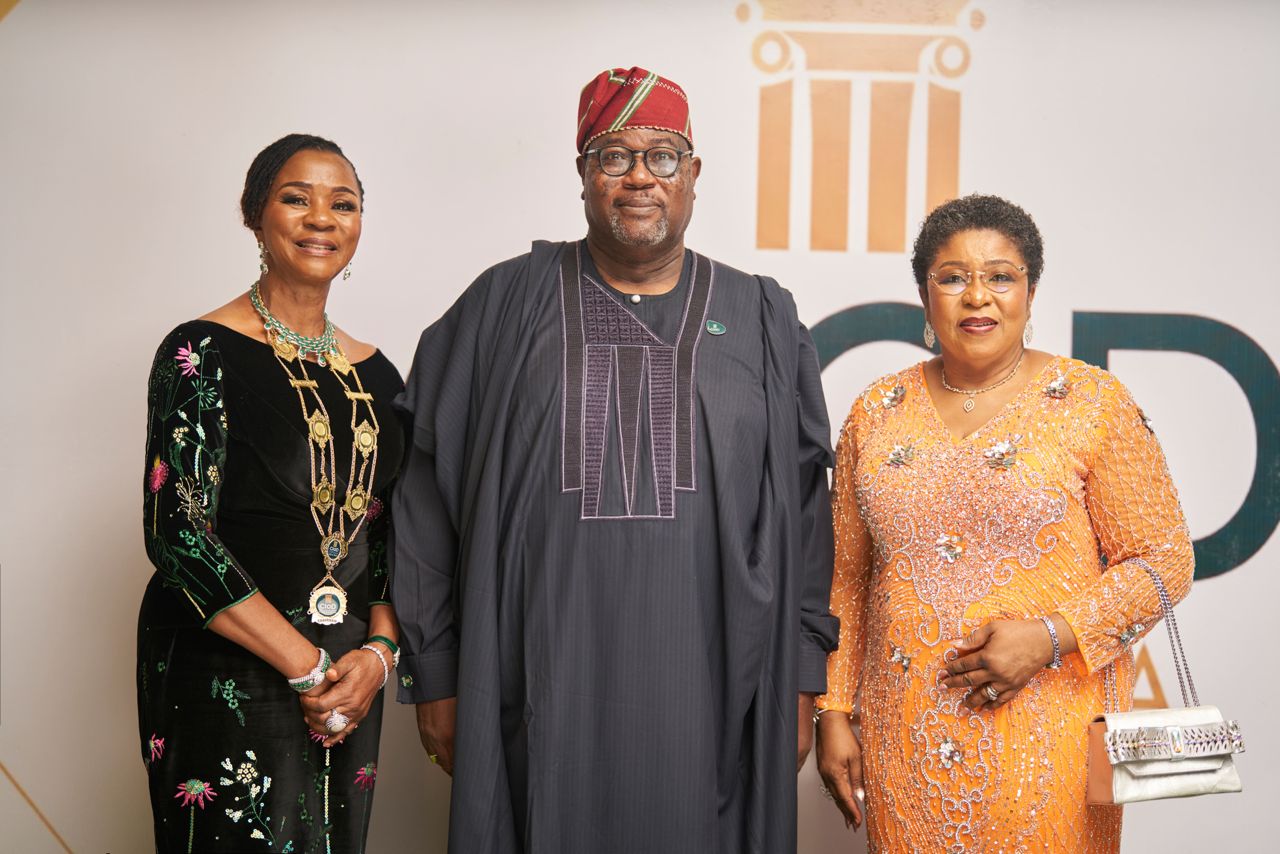
She stated this recently in Abuja during the investiture of Mrs. Rose Eshiett as the new Chairman of the Chartered Institute of Directors (CIoD) Nigeria, Abuja Zone, and the inauguration of the institute’s 11th Executive Committee.
Addressing directors, senior public servants and corporate leaders at the event, Walson-Jack said the country’s development aspirations depend largely on the quality of leadership in both the public and private sectors.
According to her, the values being promoted by the Chartered Institute of Directors align with the ongoing transformation agenda in the Federal Civil Service, which is focused on professionalism, innovation, accountability, digitalisation and citizen-centred service delivery.
She noted that strong institutions can only emerge where leaders embrace continuous learning, ethical conduct and responsibility.
“Strong institutions require strong leadership, and strong leadership requires continuous learning, discipline and ethical responsibility,” she said.
The Head of Service stressed that governance should go beyond routine meetings and formal approvals, insisting that leadership must be measured by results and impact on citizens.
“For us in the Public Service, boardroom excellence is not about sitting around a polished table and saying, ‘I concur.’ It is about asking the right questions, taking the right decisions, accepting responsibility and ensuring that decisions translate into results,” she stated.
She added that Nigerians are more concerned about the outcomes of government actions than the processes behind them.
Walson-Jack also advocated deeper collaboration between the Office of the Head of the Civil Service of the Federation and the CIoD, particularly in the areas of governance training and leadership development for permanent secretaries and other senior public officials.
According to her, strengthening governance capacity among top public servants would improve the performance of ministries, departments and agencies and contribute to national development.
She said bringing more senior public servants into the institute’s membership would enrich its governance culture with professionals who value due process, accountability and institutional discipline.
“They will come with digital files, ask for the circular, request the minutes, insist on due process, and still remind everyone that the deadline was yesterday. Interestingly, that is exactly the kind of discipline institutions need,” she said.
Walson-Jack argued that Nigeria requires leaders capable of combining the efficiency and innovation associated with the private sector with the discipline and accountability expected in public service.
“Nigeria needs leaders who combine private sector agility with public service discipline; leaders who understand governance, manage complexity, uphold integrity and deliver sustainable value, especially in uncertain times,” she added.
She congratulated Mrs. Eshiett, Vice Chairman Mrs. Maryam Shehu and other members of the newly inaugurated executive committee, urging them to justify the confidence reposed in them through impactful leadership.
“A title may open the door, but performance keeps the seat,” she said.
Earlier, Eshiett outlined a three-point agenda for her tenure centred on increasing the visibility of the institute, expanding membership and boosting revenue generation to support programmes aimed at promoting ethical leadership and boardroom excellence.
“Not so many people know that the CIoD exists in Nigeria. So we want it more visible because of the advantages it carries,” she said.
She added that Nigeria’s development requires stronger corporate governance structures and more ethical leadership across both public and private institutions.
Also speaking, the President and Chairman of the Governing Council of CIoD Nigeria, Otunba Adetunji Oyebanji, said corporate boards play a critical role in shaping the nation’s economy because decisions taken by directors ultimately affect economic performance.
He disclosed that the institute is collaborating with organisations, including the Ministry of Finance Incorporated, to strengthen the capacity of directors in publicly owned enterprises and improve governance standards.
The event brought together governance experts, business leaders and senior government officials to discuss leadership and corporate governance in an increasingly uncertain operating environment.
📢 Follow National Periscope on WhatsApp
Get breaking news and updates directly on WhatsApp.
Join WhatsApp ChannelPost Disclaimer
All rights reserved. This material and other digital content on this website are not and do not represent the stance of National Periscope but the statements of newsmakers mentioned therein.
For your detailed news reportage... contact the Editor at Joel2oladele@gmail.com






Tinubu appoints Adedeji as FIRS Acting Executive Chairman. President Bola Read more
CBN bans Moniepoint, Opay, Kuda, others from opening new accounts Read more
Taraba Senators Move to Restore Collapsed Namnai Bridge, Visit FERMA Read more
How Nigeria customs fraudulently sold 300 cars for N10,000 The Read more